
Advertisements
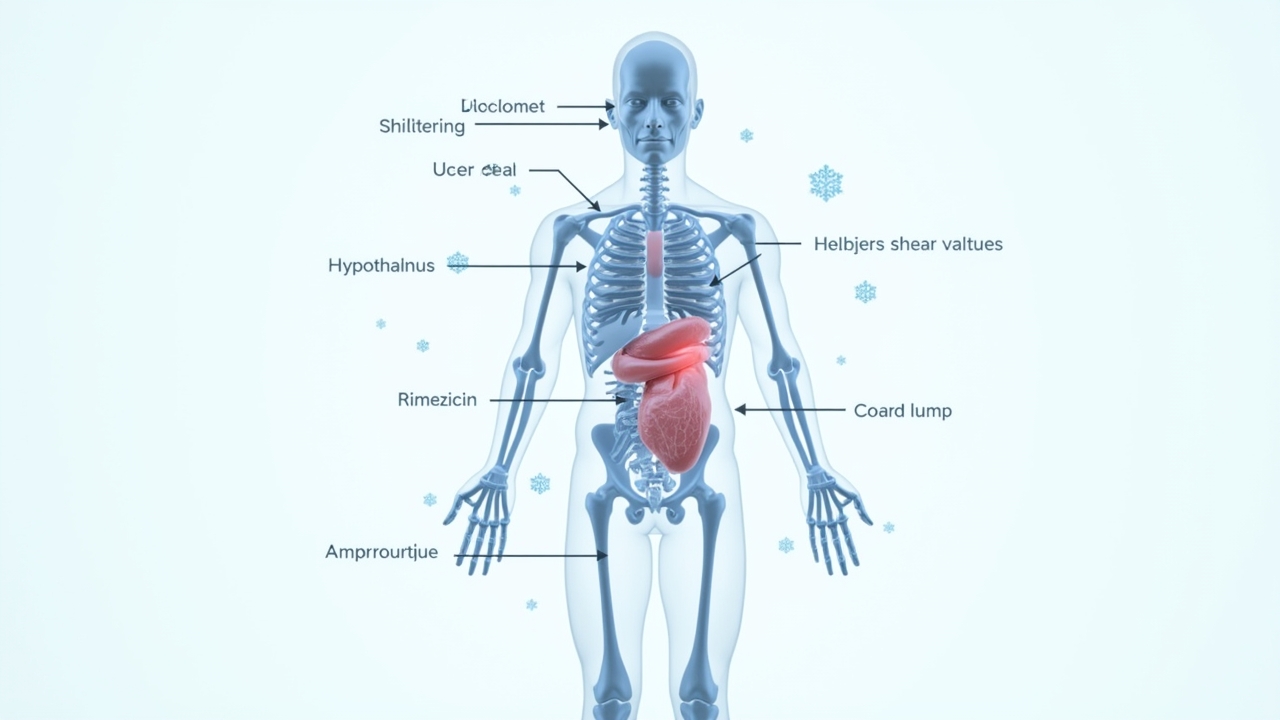
Cold Shock Response: What Nobody Told Me Before I Jumped Into Ice Water
Here’s a wild stat for you — the cold shock response is responsible for more cold water deaths than hypothermia itself. Yeah, I was shocked too when I first learned that. And honestly, I wish I’d known it before my first ice bath attempt left me gasping like a fish on a dock!
Understanding the cold shock response isn’t just nerdy science stuff. It’s genuinely important if you’re into cold plunging, winter swimming, or even just accidentally falling into cold water. So let me walk you through everything I’ve learned, mostly the hard way.
What Exactly Is the Cold Shock Response?
The cold shock response is your body’s immediate, involuntary reaction when it’s suddenly exposed to cold water — typically below 15°C (59°F). We’re talking about the first 30 seconds to a couple of minutes. Your body basically hits the panic button.
According to research published by the National Library of Medicine, the response triggers a massive gasp reflex, rapid uncontrolled breathing (called hyperventilation), and a spike in heart rate and blood pressure. It’s your sympathetic nervous system going absolutely haywire. And trust me, no amount of mental toughness fully prepares you for that first hit.
My First Encounter Was a Disaster
I remember filling up my tub with ice a few years back after watching too many Wim Hof videos. I thought I was ready. I was not ready.
Advertisements
The second my body hit that water, I gasped so hard I nearly choked. My breathing was completely out of control, my hands went numb almost instantly, and I lasted maybe 15 seconds before scrambling out. It was humbling, to say the least.
What I didn’t understand at the time was that the gasp reflex and hyperventilation were totally normal physiological responses. I thought something was wrong with me. Nope — that’s just cold shock doing its thing.
Why It’s Actually Dangerous
So here’s the part that really matters. The cold shock response can be deadly if you’re not careful, especially in open water situations.
- The involuntary gasp reflex can cause you to inhale water if your head is submerged.
- Hyperventilation reduces carbon dioxide levels, which can lead to dizziness or even fainting.
- The sudden spike in blood pressure and heart rate puts stress on your cardiovascular system, which is particularly risky for anyone with underlying heart conditions.
- Loss of muscle control in your limbs makes swimming nearly impossible in those critical first minutes.
The Royal National Lifeboat Institution (RNLI) has been warning people about this for years. Cold water immersion deaths often happen not from hypothermia, but from drowning during that initial shock phase.
How I Learned to Handle It
After that embarrassing first attempt, I started doing my homework. And gradually, things got better. Here’s what actually helped me manage the cold shock response over time.
First, I started with cold showers instead of full ice baths. Just ending my regular shower with 30 seconds of cold water helped my body begin to adapt. This process is called cold water habituation, and it’s been shown to reduce the severity of the gasp reflex over repeated exposures.
Second, I focused obsessively on breath control. Slow, deliberate exhales before and during entry made a huge difference. The trick is to breathe out longer than you breathe in — it activates your parasympathetic nervous system and calms everything down.
Third, I never cold plunge alone anymore. Having someone nearby isn’t just comforting, it’s a safety requirement in my book. Stuff can go sideways fast.
A Quick Tip That Changed Everything
One thing that was a total game-changer for me — entering the water slowly rather than jumping in. I know the “just send it” mentality is popular, but gradual immersion gives your body a few extra seconds to begin processing the thermal shock. It’s less dramatic but way safer, especially for beginners.
Respect the Water, Respect Your Body
Look, the cold shock response isn’t something to fear — it’s something to respect and understand. Once you know what’s happening inside your body, you can work with it instead of against it. But please, don’t skip the basics. Start slow, never go alone, and listen to your body every single time.
If you’re curious about cold exposure and want to keep learning, check out more posts on the Freeze Method blog. We cover everything from beginner cold plunge tips to the science behind cold water therapy. Stay safe out there!