Advertisements

How to Recover Faster After Leg Day (Without Wanting to Cry on the Stairs)
Here’s a fun stat for you: studies show that lower body workouts can cause muscle soreness that peaks between 24 to 72 hours after training. I learned that the hard way when I literally had to sit down sideways on the toilet the day after my first serious squat session. Not my proudest moment!
Look, leg day recovery isn’t just about comfort. It’s about getting back in the gym sooner, building muscle more efficiently, and honestly just being able to function like a normal human being. So let me walk you through what’s actually worked for me over the years.
Why Leg Day Hits Different Than Everything Else
Your legs contain some of the largest muscle groups in your entire body — we’re talking quads, hamstrings, glutes, and calves all getting hammered in a single session. That’s a massive amount of muscle tissue damage happening at once, which is why the delayed onset muscle soreness (DOMS) feels so brutal compared to, say, an arm workout.
I used to think I was just weak because leg day wrecked me so much harder than upper body days. Turns out, it’s basic physiology. More muscle fibers being torn means more inflammation, more repair needed, and yeah, more hobbling around like a newborn deer.
Nutrition Is Honestly Half the Battle
I spent years ignoring my post-workout nutrition after leg day and then wondering why I was sore for five days straight. Rookie mistake. Your muscles are literally screaming for protein and carbohydrates after a heavy lower body session.
Advertisements
Aim for about 20-40 grams of protein within a couple hours of training. Pair that with some fast-digesting carbs to replenish your glycogen stores — a banana with a protein shake has been my go-to for years now. And please, for the love of everything, drink water. Hydration plays a huge role in muscle recovery and most of us are walking around chronically dehydrated anyway.
My Quick Post-Leg Day Nutrition Checklist
- Protein shake or meal within 2 hours of training
- Complex carbs like rice or sweet potatoes at your next meal
- At least 3 liters of water throughout the day
- Anti-inflammatory foods like berries, fatty fish, or tart cherry juice
Active Recovery Is Your Best Friend
This one took me forever to figure out. When your legs are destroyed, the last thing you want to do is move them. But gentle movement actually speeds up the recovery process by increasing blood flow to those damaged muscles.
I’m not saying go run a 5K the day after heavy deadlifts. A 20-minute walk, some light cycling, or even just a gentle yoga session can work wonders. The key word here is “light” — you’re promoting circulation, not creating more muscle damage.
Cold Therapy and the Magic of Contrast Showers
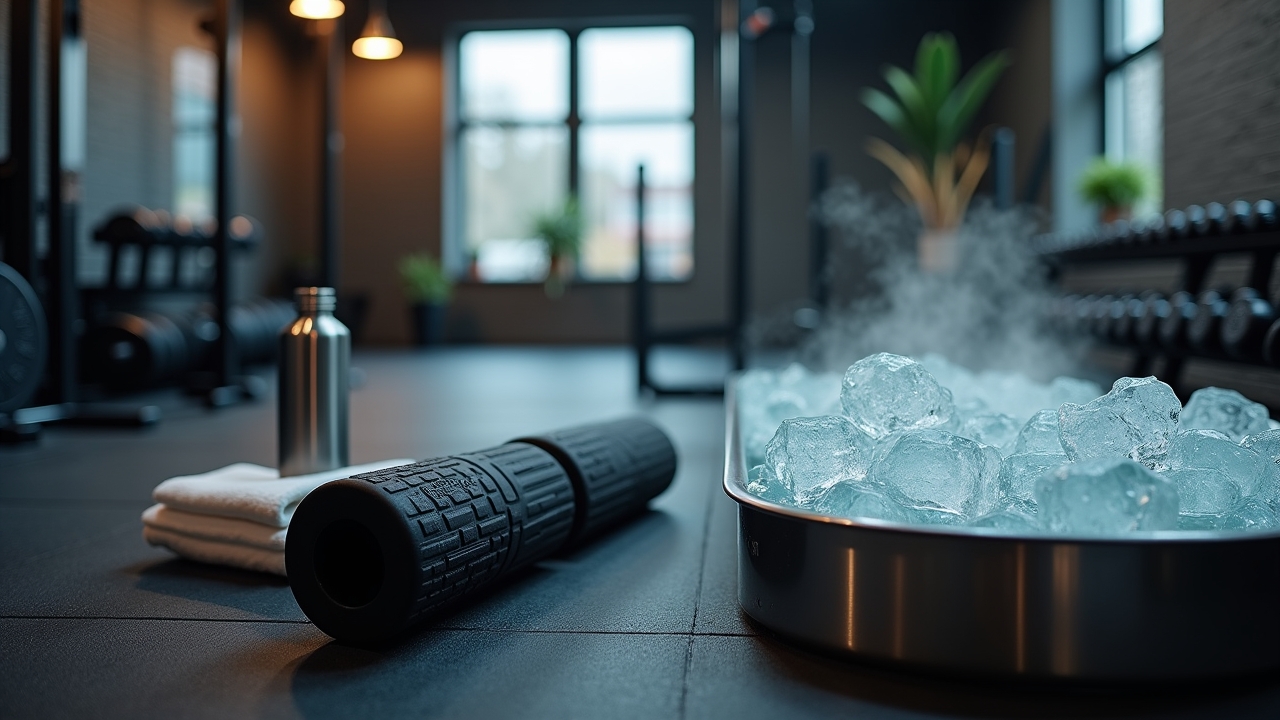
Okay, so I was pretty skeptical about cold water immersion for a long time. Then I tried alternating between cold and warm water in the shower after leg day, and honestly it was a game changer for reducing that post-workout swelling. The science behind cold therapy suggests it helps constrict blood vessels and reduce inflammation.
Try 30 seconds of cold water followed by 2 minutes of warm water, repeating 3-4 times. It’s uncomfortable at first, not gonna lie. But your legs will thank you the next morning.
Sleep Is Where the Real Magic Happens
Your body releases the majority of its growth hormone during deep sleep, and that’s when most of your muscle repair actually occurs. I used to stay up late scrolling my phone after leg day and then wondered why recovery was taking forever.
Aim for 7-9 hours of quality sleep, especially on training days. Keep the room cool, ditch the screens an hour before bed, and your leg recovery will improve dramatically. This single change probably made the biggest difference for me personally.
Your Legs Will Thank You Later
Recovering faster after leg day really comes down to the basics — eat well, move gently, sleep enough, and don’t skip the stuff that feels inconvenient. Everyone’s body responds a bit differently though, so experiment and find what combination works best for you. Just remember to listen to your body and never push through sharp or unusual pain, because that’s a whole different conversation.
If you found this helpful, head over to the Freeze Method blog for more practical recovery tips and training advice. We’ve got plenty more where this came from!