
Advertisements
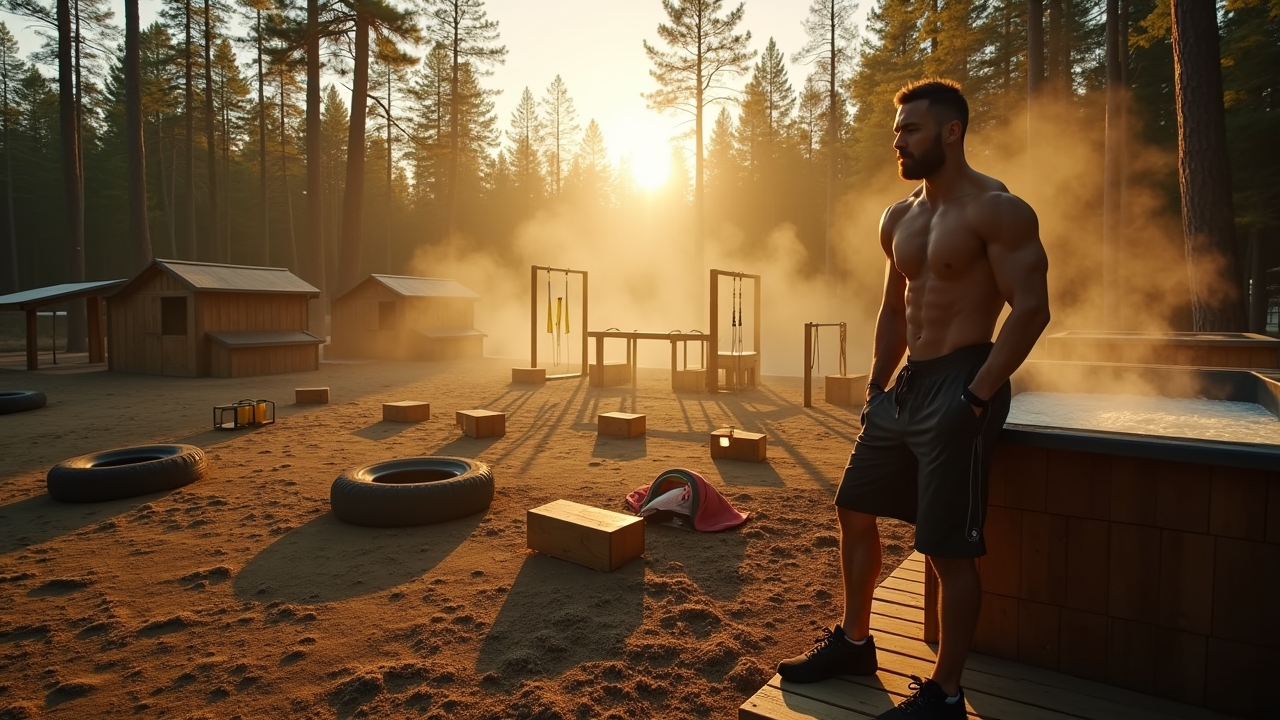
Mental Toughness Workouts Cold: How Freezing Water Changed the Way I Train My Brain
Here’s a stat that honestly blew my mind — a 2007 study found that cold water immersion can increase norepinephrine levels by up to 530%. That’s not a typo. And norepinephrine is basically the brain chemical tied to focus, attention, and mood regulation.
I stumbled into cold exposure training about three years ago, and I’m not gonna lie, it was completely by accident. My gym’s hot water went out in January, and I had no choice but to rinse off in what felt like liquid ice. But something weird happened — I felt incredible afterward, like I’d just conquered something real.
That’s when I started digging into mental toughness workouts involving cold exposure. And now I genuinely believe it’s one of the most underrated resilience-building tools out there!
Why Cold Exposure Builds Mental Resilience
So here’s the thing most people get wrong. They think mental toughness is built only through grueling physical exercise — heavy deadlifts, marathon training, that kind of stuff. But cold stress works on a completely different level.
When you step into cold water or stand under a freezing shower, your body’s fight-or-flight response kicks in hard. Your brain is literally screaming at you to get out. And the act of staying — of choosing discomfort — that’s where the mental fortitude gets forged.
Advertisements
It’s been compared to a form of hormetic stress, meaning a small controlled dose of stress that actually makes you stronger over time. Think of it like a vaccine for your willpower, honestly.
My Go-To Mental Toughness Cold Workouts
Over the years I’ve experimented with a bunch of different cold discipline routines. Some were way too aggressive for a beginner (I once jumped into a 38°F lake without any preparation and honestly thought my chest was going to explode). Lesson learned the hard way.
Here’s what actually works when you’re building grit through cold training:
- The 30-Day Cold Shower Challenge: Start with just 15 seconds of cold water at the end of your regular shower. Add 10 seconds each day. By day 30, you’re doing over 5 minutes and it barely phases you.
- Breath-Hold Cold Plunge: Get into a cold plunge or ice bath and practice controlled breathing — four seconds in, four seconds hold, eight seconds out. The breathwork combined with cold immersion is an absolute game-changer for stress tolerance.
- Cold Exposure Paired with Bodyweight Circuits: Do a set of pushups, burpees, or air squats, then immediately step into a cold shower for 60 seconds. Repeat 3-5 rounds. This one trains your nervous system to recover under pressure.
- Outdoor Cold Walks: In winter, go for a 10-minute walk wearing just a t-shirt and shorts. It sounds insane but it builds an incredible sense of self-mastery. Start with 3 minutes if you need to.
The Mistake That Almost Made Me Quit
About six months in, I got cocky. I tried doing a 15-minute ice bath after reading about some extreme athlete’s routine online. Bad idea for someone who was still a relative beginner at cold water therapy.
My fingers went numb, I started shivering uncontrollably, and it took me almost an hour to warm back up. I was genuinely scared. That experience taught me that progressive overload applies to cold exposure just like it does to weightlifting — you gotta respect the process and build up gradually.
What the Science Actually Says
Beyond the norepinephrine boost I mentioned earlier, research published in PLoS One showed that regular cold water immersion was linked to reduced sick days and improved self-reported energy levels. There’s also growing evidence that cold exposure can improve dopamine regulation, which directly impacts motivation and mental endurance.
The psychological benefits are being studied more every year. Voluntary discomfort practices like cold plunges train your prefrontal cortex to override impulse — which is basically the definition of discipline.
Your Turn to Embrace the Cold
Look, mental toughness isn’t built in comfortable conditions. It just isn’t. Cold exposure workouts give you a daily opportunity to practice choosing hard things, and that translates into every other area of your life — work, relationships, fitness goals, all of it.
But please, start small and listen to your body. If you have cardiovascular issues, talk to your doctor first. This isn’t about being reckless, it’s about being intentional with controlled stress.
If you’re curious about diving deeper into cold training methods, breathing techniques, and building real resilience, check out more posts on the Freeze Method blog. We’re all figuring this out together — one freezing shower at a time.