Advertisements
How to Track Cold Exposure Progress (Without Driving Yourself Crazy)
Here’s a stat that honestly blew my mind — a study published in PLOS ONE found that regular cold water immersion can increase metabolic rate by as much as 350%. But here’s the thing nobody tells you: if you’re not keeping track of your cold exposure progress, you’ll never actually know if it’s working for you. I learned that the hard way, and I wish someone had told me sooner!
Whether you’re doing cold plunges, ice baths, or cold showers, tracking your journey is what separates the people who see real results from the ones who just suffer in cold water for no reason. Let me walk you through what I’ve figured out over the past couple years of freezing myself on purpose.
Why You Even Need to Track Cold Exposure
So when I first started doing cold showers back in 2022, I just kinda winged it. No journal, no timer, no nothing. After three weeks I quit because I felt like I wasn’t getting anywhere.
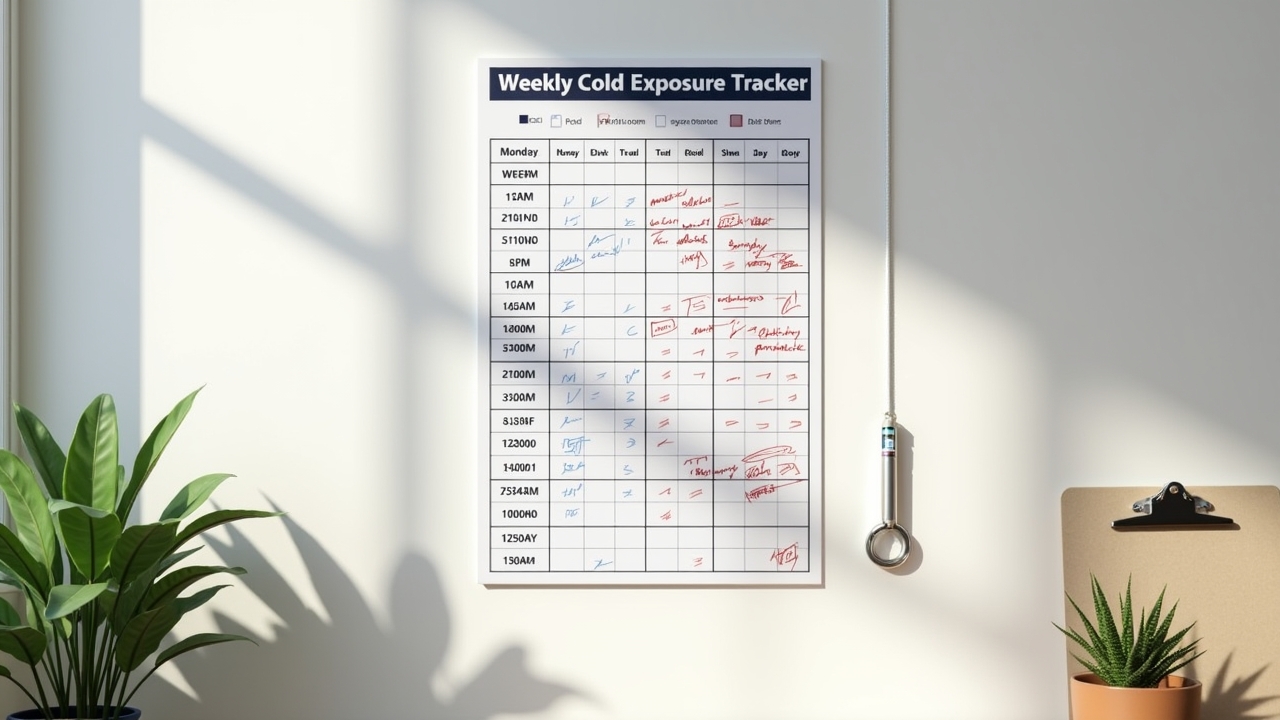
The problem was I actually WAS making progress — I just couldn’t see it. Without a cold exposure log, the improvements in my tolerance, recovery time, and mood were basically invisible to me. It’s like going to the gym without ever writing down your reps; you end up spinning your wheels.
Tracking gives you objective data on things like water temperature, immersion duration, heart rate variability, and how you feel afterward. That data is what keeps you motivated on the days when jumping into 50-degree water sounds absolutely terrible.
Advertisements
What Metrics Actually Matter
Okay, this is where I got a little obsessive at first. I was trying to measure everything — skin temperature, breathing rate, core body temp. Don’t do that. It’s exhausting and most of it isn’t even that useful for beginners.
Here’s what I’d recommend you actually track:
- Water temperature — Get a simple pool thermometer. This is non-negotiable.
- Duration — How long you stayed in, measured in seconds or minutes.
- Subjective comfort level — Rate it 1–10. This one’s been weirdly the most valuable for me.
- Mood before and after — Cold exposure triggers a norepinephrine response that affects mood significantly.
- Sleep quality — I noticed changes in my sleep within the first two weeks, but only because I was writing it down.
Keep it simple. Seriously. You can always add more metrics later once you’ve built the habit.
The Best Tools I’ve Used for Cold Plunge Tracking
I’ve tried a bunch of methods and honestly a plain notebook worked great for the first month. There’s something about physically writing “45°F for 2 minutes” that makes it feel real. But eventually I wanted graphs and trends.
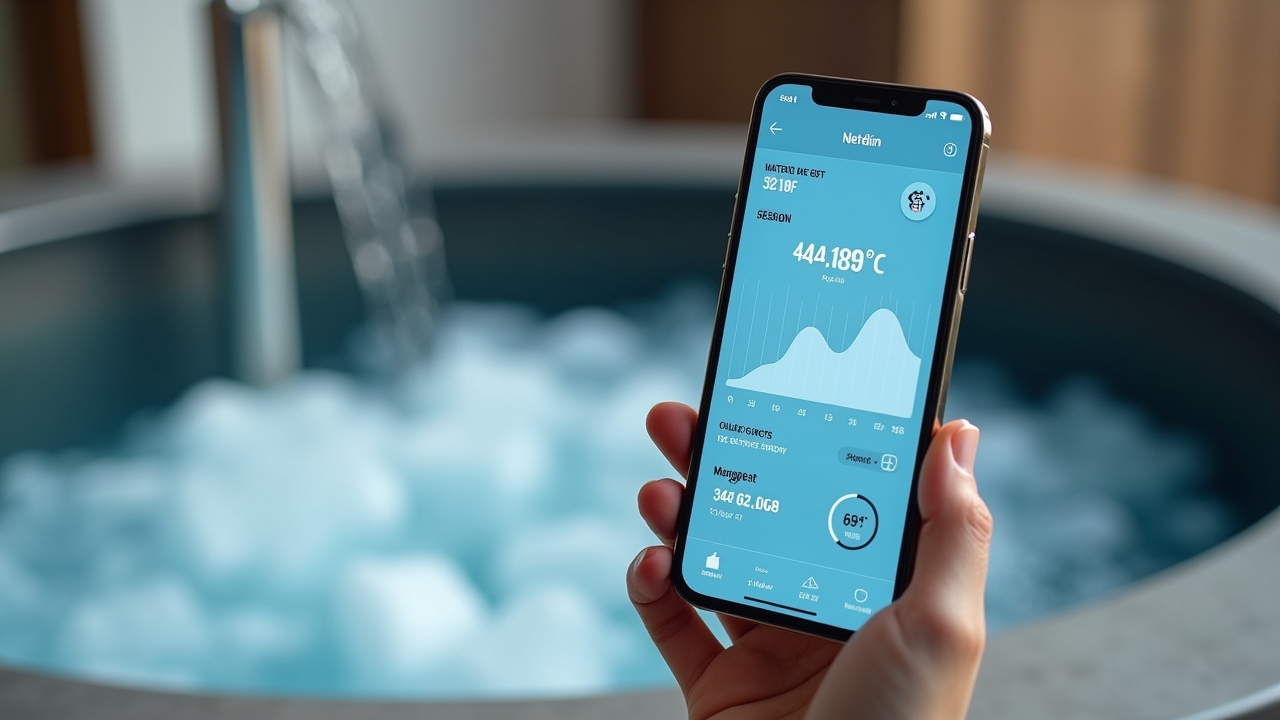
I switched to a basic spreadsheet on Google Sheets, which was a game changer. You can set up columns for date, temp, duration, and mood — then watch your cold tolerance improve over time in a chart. It was genuinely exciting to see that line trending upward.
Some people love apps like the Wim Hof Method app, which has built-in cold exposure timers and progress tracking. I used it for a while and it’s solid, though I eventually went back to my spreadsheet because I’m a nerd like that.
Mistakes I Made So You Don’t Have To
My biggest screw-up was comparing my progress to people on Reddit and YouTube. Some dude would post about sitting in a 34°F ice bath for ten minutes and I’d feel like a failure for barely lasting 90 seconds at 55°F. That comparison game is toxic.
Another mistake — I didn’t track rest days. Recovery matters just as much as exposure, and overtraining with cold therapy is a real thing that can mess with your immune system. I was going every single day for like six weeks and honestly started feeling worse, not better.
Also, I totally forgot to track the time of day. Turns out my morning sessions felt completely different from evening ones. Once I started noting that, I realized afternoons were my sweet spot.
Your Cold Exposure Journey Starts With a Single Data Point
Look, tracking cold exposure progress doesn’t need to be complicated. Start with one session, write down three things about it, and build from there. The data you collect becomes your personal roadmap to cold adaptation.
Just remember — listen to your body and never push through numbness or pain that feels wrong. Cold therapy should challenge you, not harm you. Everyone’s cold tolerance baseline is different, so customize everything to YOUR experience.
If you want more practical tips on building a cold exposure routine that actually sticks, check out the other guides on the Freeze Method blog. There’s a ton of stuff there that I wish I’d had when I was starting out!