Advertisements
How to Recover Like a Pro Athlete (Without the Pro Athlete Budget)
Here’s a stat that absolutely blew my mind: elite athletes spend up to 50% of their training time on recovery. Half! Meanwhile, I used to crush a hard workout, collapse on the couch with a bag of chips, and wonder why my knees felt like rusty door hinges the next morning. If you’ve ever felt like your body recovers at the speed of a dial-up connection, trust me — I’ve been there.
Learning to recover like a pro athlete changed everything for me. And the best part? You don’t need a personal masseuse or a $100,000 hyperbaric chamber to do it.
Sleep Is the Ultimate Performance Enhancer
I’m gonna be honest — I used to think sleeping 5 hours made me tough. It didn’t. It made me slow, cranky, and way more prone to injury. Pro athletes like LeBron James reportedly sleep 8 to 10 hours a night, and there’s solid science behind it.
During deep sleep, your body releases human growth hormone, which is critical for muscle repair and tissue recovery. Without enough quality sleep, your post-workout inflammation just lingers. So before you buy any fancy recovery gadget, fix your sleep hygiene first — dark room, cool temperature, and screens off at least 30 minutes before bed.
Cold Water Immersion: My Love-Hate Relationship
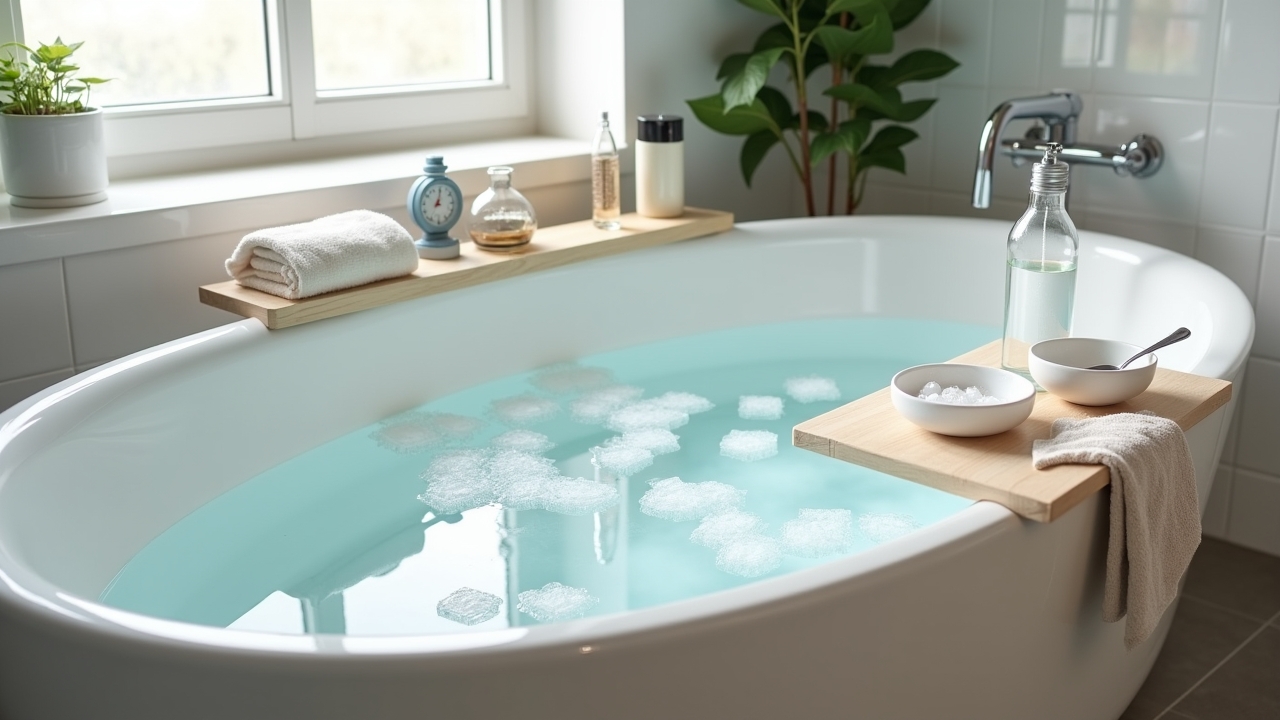
The first time I tried an ice bath, I’m pretty sure my soul left my body for a second. It was brutal. But after a few sessions, something clicked — my muscle soreness after heavy leg days was noticeably reduced.
Advertisements
Cold water immersion works by constricting blood vessels and reducing metabolic activity, which helps decrease swelling and tissue breakdown. Research from the National Library of Medicine supports its effectiveness for reducing delayed onset muscle soreness (DOMS). You don’t need a professional setup either — a cold shower for 2-3 minutes or a bathtub with ice bags does the trick.
Active Recovery Isn’t Just a Buzzword
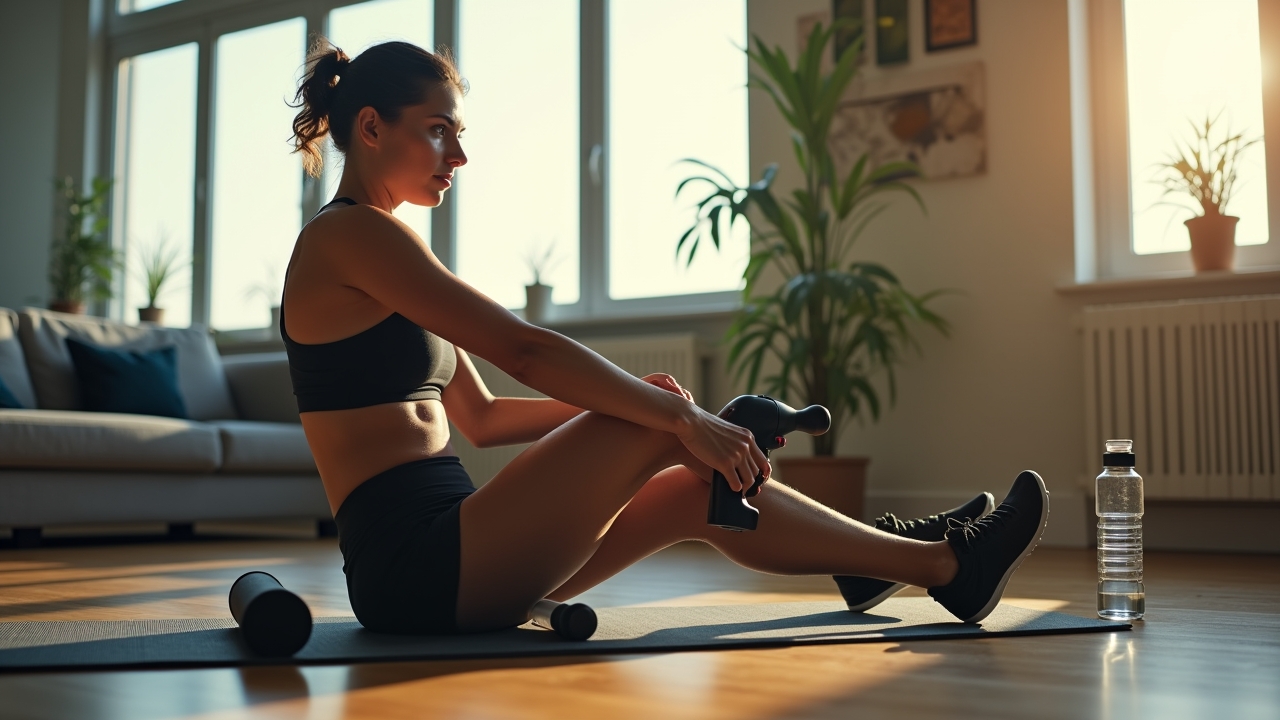
I made the mistake for years of thinking rest days meant doing absolutely nothing. Turns out, that’s not how the pros do it. Active recovery — light movement on your off days — actually promotes blood flow and speeds up the healing process.
Think easy walks, gentle yoga, foam rolling, or a casual bike ride. Nothing intense. The goal is to keep things moving without adding stress to your central nervous system. Honestly, my foam roller has become one of my best friends, which sounds sad but it’s the truth.
Nutrition and Hydration: The Boring Stuff That Actually Works
Nobody wants to hear “eat better and drink more water,” but here we are. Post-workout nutrition is where the real magic of recovery happens. Pro athletes are meticulous about their recovery meals, and you should be too.
Here’s a simple framework that was recommended to me by a sports dietitian:
- Consume protein within 30-60 minutes post-exercise (around 20-40 grams)
- Include carbohydrates to replenish glycogen stores
- Hydrate with electrolytes, especially after sweaty sessions
- Add anti-inflammatory foods like tart cherry juice, turmeric, and fatty fish
I started drinking tart cherry juice after workouts last year, and I was honestly shocked at how much it helped with soreness. The antioxidant properties are no joke.
Stress Management and Mental Recovery
This one gets overlooked all the time. Your body can’t fully recover if your mind is running a million miles an hour. Cortisol — the stress hormone — actively interferes with muscle repair and immune function.
Pro athletes use meditation, breathwork, and visualization not because it’s trendy, but because it works. Even just 10 minutes of deep breathing after a workout can shift your nervous system from fight-or-flight into rest-and-digest mode. I started using guided breathing exercises and it was like flipping a switch on my recovery timeline.
Your Body Already Knows What to Do — Just Help It Along
Recovery isn’t some mysterious art reserved for professional athletes with unlimited resources. It’s about respecting the basics: sleep deeply, move gently, eat smart, manage stress, and don’t skip the cold stuff if you can handle it. Customize these strategies to fit your lifestyle and listen to your body — it’s smarter than any app or gadget.
And hey, if you want more tips on optimizing your recovery routines, make sure you check out the Freeze Method blog for more practical, no-nonsense advice. Your future self will thank you!