Advertisements
Cold Plunge Meets CrossFit and HIIT: Why I Wish I’d Started Sooner
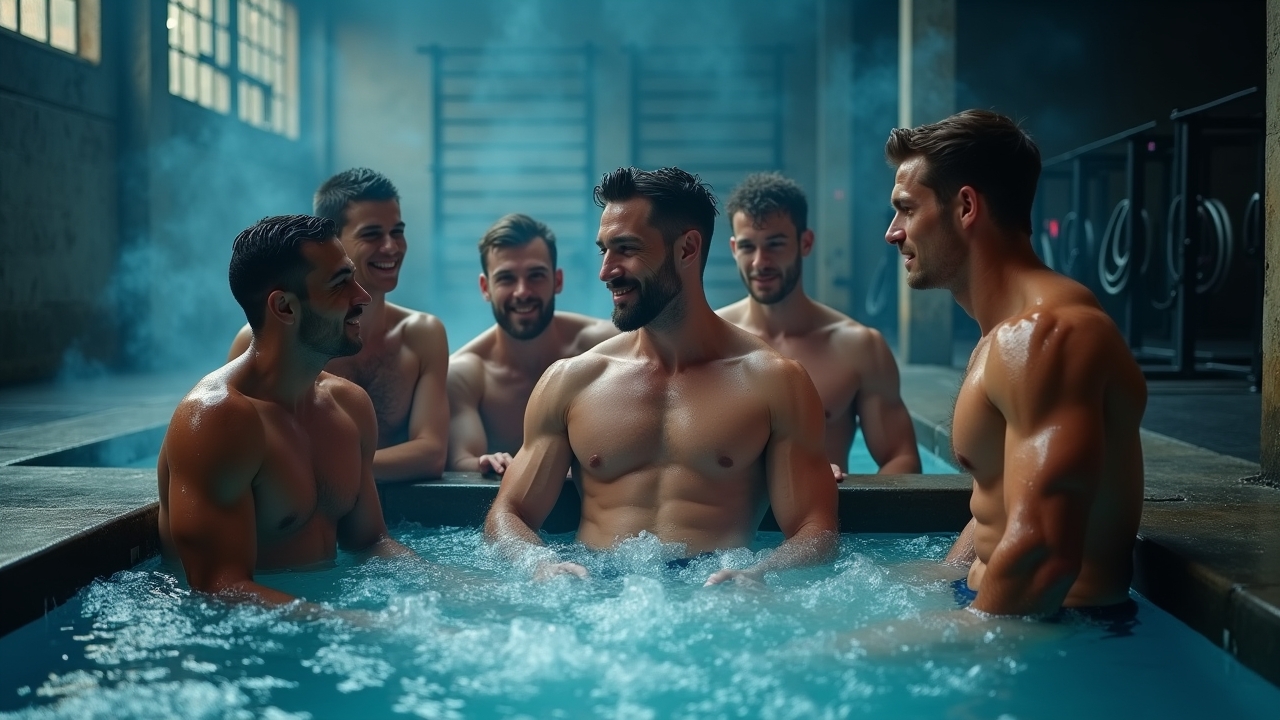
Here’s a stat that honestly blew my mind — a study discussed by Dr. Andrew Huberman found that deliberate cold exposure can boost dopamine levels by up to 250% for several hours. That’s not a typo. When I first stumbled onto cold plunging after my CrossFit and HIIT sessions, I thought it was just some trendy biohacker nonsense. Turns out, combining cold water immersion with high-intensity training might be one of the best recovery protocols I’ve ever tried!
How I Accidentally Fell Into Cold Plunging After WODs
So about two years ago, my buddy at the box dared me to hop into one of those stock tank cold plunges he’d set up in his garage. I had just finished a brutal AMRAP workout — like, legs-shaking, can’t-hold-my-protein-shake kind of brutal. I figured why not.
The first ten seconds were absolutely terrible. My breathing went haywire and I wanted to jump out immediately. But something weird happened around the 90-second mark — this calm washed over me and my screaming muscles just kind of quieted down.
After that, I was hooked. I started cold plunging after every intense session, whether it was a CrossFit WOD or a HIIT circuit at home. The post-workout soreness that usually wrecked me for two days? Cut in half, easy.
The Science Behind Cold Plunge Recovery for High-Intensity Training
Okay, I’m a teacher, not a scientist. But I’ve done enough reading to understand why this works so well. When you do CrossFit or HIIT, you’re creating tons of micro-tears in your muscles and generating a big inflammatory response — that’s actually how you get stronger.
Advertisements
Cold water immersion, typically between 38-55°F, causes vasoconstriction that helps reduce inflammation and muscle soreness. Basically, the cold narrows your blood vessels, which helps flush metabolic waste from your tissues. Then when you warm back up, fresh oxygenated blood rushes back in.
There’s also the nervous system piece. HIIT and CrossFit jack up your sympathetic nervous system — fight or flight mode. Cold plunging actually trains your parasympathetic response, helping you recover faster between sessions. Pretty cool, right?
My Actual Cold Plunge Routine (And the Mistakes I Made)
Let me save you some pain. Here’s what I learned the hard way:
- Don’t plunge immediately after strength-focused work. I made this mistake for weeks. If your goal is muscle hypertrophy, waiting 4-6 hours is better because you don’t want to blunt the inflammatory response that drives muscle growth.
- After pure conditioning or HIIT cardio? Go for it right away. That’s when cold plunging shines for recovery.
- Start warmer than you think. I jumped into 39°F water my third time and honestly thought I was going to pass out. Start around 55°F and work your way down over a few weeks.
- Two to five minutes is plenty. You don’t need to sit there for fifteen minutes like some Instagram warrior. Diminishing returns are real.
My current routine is simple. On heavy CrossFit days with lots of barbell work, I wait until evening to plunge. On HIIT or metcon days, I’ll hop in within 20 minutes of finishing. It’s been working beautifully for about eighteen months now.
One Thing Nobody Talks About — The Mental Edge
Here’s what surprised me most. The mental toughness transfer between cold plunging and high-intensity interval training is real. When you’re staring down a 50-calorie assault bike sprint during a WOD, your brain says “quit” way before your body needs to.
Training yourself to stay calm in freezing water rewires that response. I genuinely perform better during workouts now because my brain has been conditioned to sit with discomfort. It sounds woo-woo but the research behind the Wim Hof Method backs this up pretty solidly.
Your Turn to Take the Plunge
Look, combining cold water therapy with your CrossFit or HIIT routine isn’t magic — but it’s been a game-changer for my recovery, performance, and honestly my mental health too. Start slow, listen to your body, and remember that what works for me might need tweaking for you. If you have any cardiovascular conditions, definitely talk to your doctor first.
Want more tips on cold exposure and recovery strategies? Head over to the Freeze Method blog where we dive deep into all things cold plunge. Trust me, there’s a lot more to explore.