Advertisements
Cold Exposure for Busy Professionals: How to Fit Ice Baths Into a Packed Schedule
Here’s a stat that honestly blew my mind — a 2022 meta-analysis found that cold water immersion can significantly reduce symptoms of anxiety and depression while boosting dopamine levels by up to 250%. And yet, most of us busy professionals walk right past the opportunity because we think we don’t have time. I get it, I really do!
I spent years telling myself the same thing. Between back-to-back meetings, school pickups, and somehow trying to squeeze in a workout, the idea of adding cold exposure to my routine sounded absolutely insane. But here’s the thing — it turned out to be one of the easiest wellness habits I’ve ever adopted, and it takes way less time than you’d think.
Why Cold Exposure Is a Game-Changer for High-Performers
Let me be real with you. I was skeptical at first — like, deeply skeptical. A colleague of mine kept raving about his morning cold plunge routine and how it supercharged his focus, and I honestly thought he was being dramatic.
Then I tried it. The first time was a disaster, by the way. I jumped into a cold shower without any preparation and lasted maybe eight seconds before I was gasping and fumbling for the hot water handle like my life depended on it.
But I kept at it, and within about two weeks, something shifted. My mental clarity in those early morning hours was noticeably sharper. According to Dr. Andrew Huberman’s research, deliberate cold exposure triggers a sustained release of norepinephrine, which is basically your brain’s natural focus drug. For busy professionals juggling a million priorities, that neurochemical boost is pure gold.
Advertisements
The “I Don’t Have Time” Myth — Busted
Here’s where most people get it wrong. You don’t need a 20-minute ice bath to get the benefits of cold therapy. Seriously, you don’t.
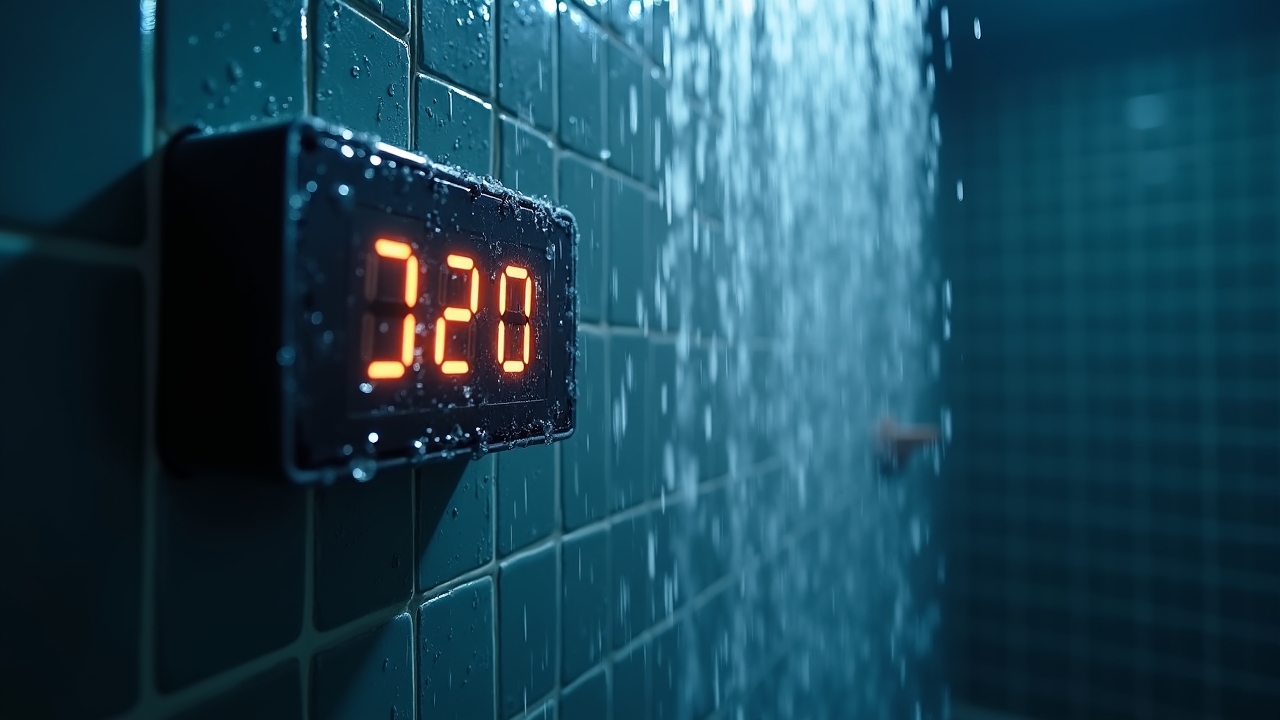
The protocol that’s worked best for me — and I’ve tried a bunch — is ending my regular morning shower with 60 to 90 seconds of the coldest water possible. That’s it. You’re already in the shower anyway, so it literally adds one minute to your routine.
On weekends when I have a bit more breathing room, I’ll do a proper cold plunge for two to three minutes. But during the workweek? The cold shower finish is more than enough to get that dopamine spike and stress resilience boost that carries me through the day.
Quick Cold Exposure Protocol for Busy Schedules
- Start with the last 30 seconds of your shower on cold — work up from there
- Aim for water that feels uncomfortably cold but not painful
- Focus on slow, controlled breathing through the nose
- Gradually increase duration to 60-90 seconds over two weeks
- Do it before your most mentally demanding work block
Mistakes I Made So You Don’t Have To
Oh man, where do I start. Besides my embarrassing first attempt, I made the classic error of going too hard too fast. I read somewhere that Wim Hof sits in ice for like 20 minutes, so naturally I thought I should be doing something similar right away. Spoiler alert — that’s a terrible idea for beginners.
I also used to do my cold exposure at night. Big mistake. The adrenaline and norepinephrine surge made it nearly impossible to fall asleep, and as any busy professional knows, sacrificing sleep quality defeats the whole purpose. Morning cold exposure is where its at for working people, and the Wim Hof Method website recommends this timing too.
Another thing — I was so focused on the cold part that I forgot about breathing. Controlled breathwork during cold exposure is what separates a stressful experience from a genuinely therapeutic one. Once I started practicing box breathing while under cold water, everything clicked.
Your Turn to Take the Plunge
Look, cold exposure isn’t some magic cure-all, and if you have cardiovascular issues or other health concerns, definitely talk to your doctor first. But for most busy professionals looking for a time-efficient way to sharpen focus, build stress resilience, and honestly just feel more alive — this is about as good as it gets.
Start small. Be consistent. And remember, the goal isn’t to suffer — its to adapt. If you’re curious about diving deeper into cold therapy protocols, breathing techniques, and recovery strategies, head over to the Freeze Method blog where we break it all down. Your future, sharper self will thank you.