Advertisements
Recovery Methods for Combat Sports: What Actually Works (And What I Learned the Hard Way)
Here’s a stat that blew my mind — combat athletes can lose up to 5% of their body weight in a single training session through sweat alone. That’s wild, right? I remember my first few months training Muay Thai, stumbling out of the gym feeling like I’d been hit by a truck. And honestly, I kinda had been.
Recovery methods in combat sports aren’t just a nice-to-have. They’re the difference between showing up strong next session and dragging yourself through it like a zombie. I’ve spent years figuring out what actually works, and I want to share what I’ve picked up along the way.
Why Recovery Hits Different in Combat Sports
Look, running is tough. Weightlifting is demanding. But combat sports? They combine cardio, strength, flexibility, and getting punched in the ribs — all in one session. The physical toll on your body is insane.
When you’re training MMA, boxing, jiu-jitsu, or wrestling, your muscles take damage from both exertion and direct impact. That means your recovery strategy needs to address inflammation, muscle repair, joint health, and honestly your mental state too. I used to ignore that last one, and it was a mistake.
Cold Therapy: My Personal Game-Changer
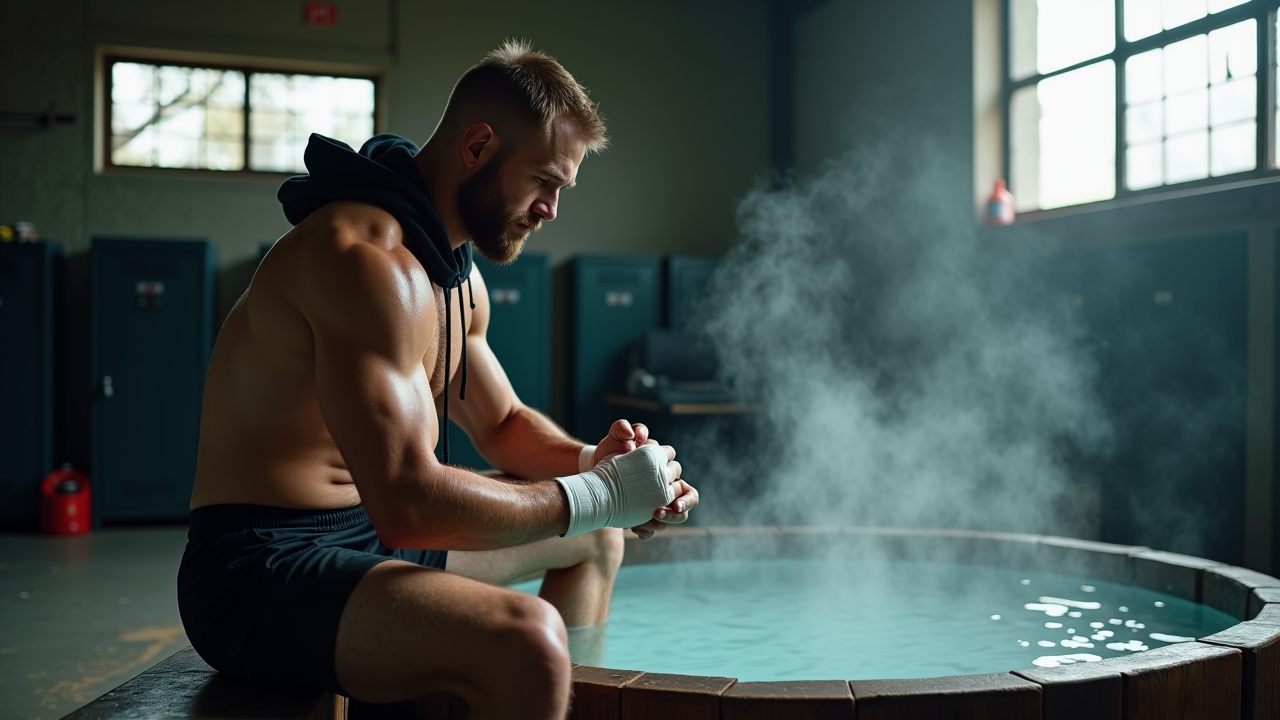
I’ll be honest — I resisted cold water immersion for the longest time. The idea of sitting in ice water after getting beat up at practice sounded like punishment on top of punishment. But once I tried it consistently, everything changed.
Advertisements
Research from the National Library of Medicine shows that cold water immersion can significantly reduce muscle soreness and perceived fatigue. For combat athletes dealing with bruised shins and swollen knuckles, that reduction in inflammation is a lifesaver. I usually do 3-5 minutes at around 50°F after hard sparring days, and the difference in how I feel the next morning is night and day.
Active Recovery: Stop Just Lying on the Couch
This one took me embarrassingly long to figure out. After brutal training sessions, I’d just crash on the sofa and not move for hours. Bad idea.
Light movement on rest days — like a 20-minute walk, easy swimming, or gentle yoga — actually helps flush metabolic waste from your muscles. Your body needs blood flow to heal, and staying completely sedentary slows that process down. I started doing morning mobility routines from channels like Tom Merrick on YouTube, and my hip flexibility improved dramatically within weeks.
Sleep: The Most Underrated Recovery Tool
I know, I know. Everyone says “get more sleep.” But seriously, most combat athletes I’ve trained with are terrible at this. Myself included, for years.
During deep sleep, your body releases human growth hormone, which is critical for tissue repair and muscle recovery. If you’re only getting 5-6 hours, you’re basically sabotaging all that hard work at the gym. I aim for 7-9 hours now, and I keep my room cold and my phone in another room. It was been a game-changer honestly.
Nutrition and Hydration: Fuel the Machine
After training, your body is screaming for nutrients. I used to skip post-workout meals because I felt nauseous after hard rounds. Terrible habit.
Now I prioritize protein within 30-45 minutes after training — usually a shake with some carbs mixed in. Electrolyte replenishment is massive too, especially if you’re cutting weight or training in the heat. Sports Dietitians Australia has a great breakdown of post-exercise nutrition that’s worth bookmarking.
Foam Rolling and Massage: Not Just for Fancy Athletes
A decent foam roller costs like 20 bucks. There’s no excuse not to have one. I spend 10 minutes rolling out my quads, IT bands, and upper back after every session, and it makes a noticeable difference in reducing delayed onset muscle soreness.
If you can afford a sports massage every couple weeks, even better. But the foam roller is your daily workhorse. Don’t skip it.
Your Body Is Telling You Something — Listen to It
The biggest lesson I’ve learned is that recovery isn’t one-size-fits-all. What works for your training partner might not work for you. Experiment, pay attention to how your body responds, and adjust accordingly. And please, don’t push through sharp pain thinking you’re tough — that’s how injuries become chronic.
If you’re looking for more tips on optimizing your training and recovery, head over to the Freeze Method blog where we dive deep into all things performance, cold therapy, and fighter wellness. Your future self will thank you!