Advertisements

Cold Shower vs Ice Bath: Which One Actually Works Better?
Here’s a stat that honestly blew my mind — according to a 2022 meta-analysis published in the British Journal of Sports Medicine, regular cold water immersion can reduce muscle soreness by up to 50% after intense exercise. Fifty percent! That’s what got me started down this whole cold exposure rabbit hole about three years ago, and let me tell you, I’ve made plenty of mistakes along the way.
Whether you’re a weekend warrior trying to recover faster or someone curious about the mental health benefits of cold therapy, the big question always comes up. Should you just crank your shower handle to freezing, or do you need to go full send into an ice bath?
I’ve tried both extensively, and the answer isn’t as straightforward as you’d think. Let me break it down.
What Actually Happens to Your Body in Cold Water
Before we compare the two, it helps to understand why cold exposure does anything at all. When your body hits cold water, your blood vessels constrict — that’s called vasoconstriction — and blood gets pushed toward your vital organs. Once you warm back up, fresh oxygenated blood rushes back to your muscles and skin.
This process is basically what drives the recovery benefits. It reduces inflammation, decreases metabolic waste in your tissues, and triggers a release of norepinephrine that can genuinely improve your mood. I remember the first time I felt that post-cold “high” — it was like drinking three coffees without the jitters.
Advertisements
The Case for Cold Showers
Cold showers are where most people start, and honestly, there’s nothing wrong with that. They’re free, they’re convenient, and you don’t need any special equipment. I started with cold showers back in 2021 after reading about the Wim Hof Method, and they was genuinely life-changing for my morning routine.
A typical cold shower sits around 50–60°F (10–15°C), depending on your plumbing and where you live. The main advantage is accessibility — you can do it every single day without any setup. I just turn the dial at the end of my regular shower and stand there for two to three minutes.
However, here’s the catch. Cold showers don’t provide full-body immersion. The water hits you unevenly, and your legs and lower body often don’t get the same exposure as your shoulders and back. For general alertness and mood boosting, they’re fantastic. For serious muscle recovery after a hard workout? They’re kinda limited.
Why Ice Baths Hit Different
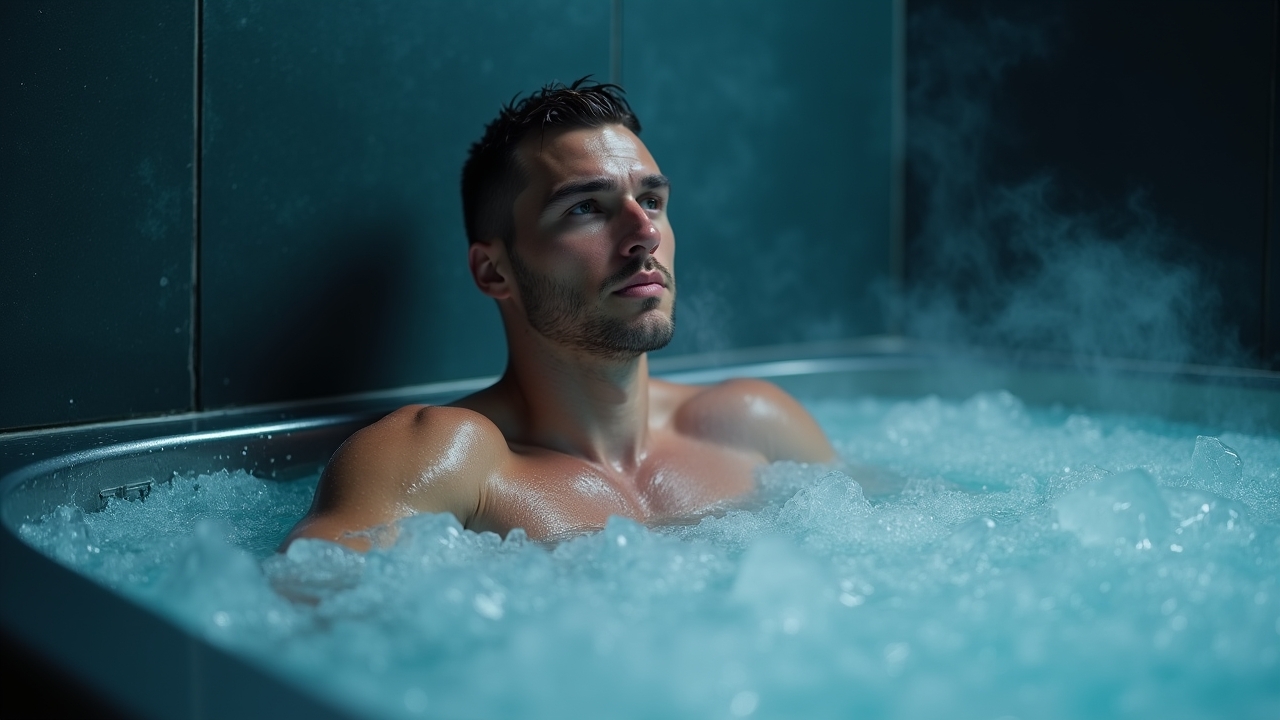
I’ll never forget my first real ice bath. I filled my bathtub with cold water, dumped two bags of gas station ice in there, and nearly screamed when I sat down. It was around 45°F, and every cell in my body told me to get out. But after about 90 seconds, something shifted — this weird calm washed over me.
Ice baths typically range from 38–55°F (3–13°C), and the full-body immersion is what makes them so effective. Research from the National Strength and Conditioning Association consistently shows that cold water immersion at these temperatures significantly reduces delayed onset muscle soreness. Your entire body is submerged, so the vasoconstriction happens uniformly.
The downside? Ice baths require more preparation, more time, and honestly more mental toughness. They can also be overdone — I once stayed in for 15 minutes because I was being stubborn, and my fingers were numb for like an hour afterward. Not smart.
So Which One Should You Choose?
Here’s my honest take after years of doing both:
- Choose cold showers if you want a daily habit for mental clarity, mood improvement, and general resilience. They’re sustainable and easy.
- Choose ice baths if you’re focused on athletic recovery, reducing inflammation after hard training sessions, or you want deeper cold therapy benefits.
- Do both if you’re like me and just enjoy torturing yourself a little bit. Cold showers on regular days, ice baths after tough workouts.
The Bottom Line on Getting Cold
Neither option is universally “better.” It really depends on your goals, your schedule, and how much discomfort you’re willing to embrace. Start with cold showers if you’re new — seriously, don’t jump into a 40-degree ice bath on day one. Build your tolerance gradually and listen to your body.
And please, if you have any cardiovascular conditions, talk to your doctor before starting cold exposure therapy. Safety always comes first.
Want to learn more about cold therapy techniques and recovery methods? Head over to the Freeze Method blog where we dive deep into everything from cold plunge protocols to breathwork strategies. Your future self will thank you!