Advertisements
Cold Water Immersion Muscle Recovery: What I Wish I Knew Before My First Ice Bath
Here’s a stat that honestly blew my mind — a 2022 meta-analysis found that cold water immersion can reduce muscle soreness by up to 20% compared to passive recovery. Twenty percent! That number is what finally convinced me to stop just reading about ice baths and actually get in one.
If you’re into any kind of training — lifting, running, CrossFit, whatever — you’ve probably heard people rave about cold water immersion for muscle recovery. And honestly, some of it sounds too good to be true. But after two years of experimenting with it myself, I can tell you it’s been a game-changer, even though my first attempt was an absolute disaster.
My Embarrassing First Attempt at Cold Plunging
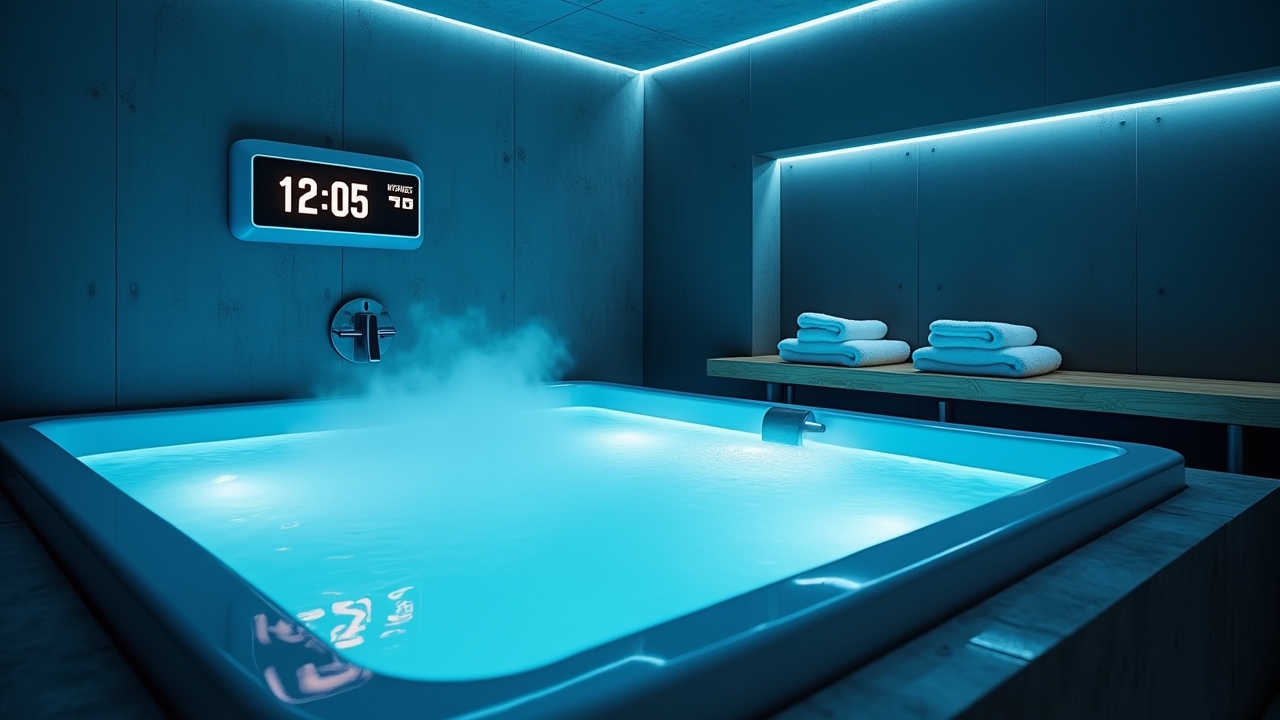
So picture this. I had just crushed a brutal leg day — squats, lunges, the whole nine yards — and I decided it was finally time to try cold water therapy. I filled my bathtub with cold water, dumped in two bags of ice from the gas station, and immediately jumped in like some kind of action hero.
Big mistake. I lasted maybe 15 seconds before I was gasping and scrambling out like a wet cat. My wife heard the commotion and found me shivering on the bathroom floor, ice cubes scattered everywhere. Not my finest moment, folks.
What I didn’t know then was that you’re supposed to ease into it. Starting with water around 59°F (15°C) is totally fine — you don’t need to go full arctic explorer on day one.
Advertisements
How Cold Water Immersion Actually Helps Your Muscles Recover
Okay, let’s get into the science a bit, because understanding the “why” really helped me stick with it. When you submerge your body in cold water after exercise, a few key things happen.
- Your blood vessels constrict (that’s called vasoconstriction), which helps reduce inflammation and swelling in damaged muscle tissue.
- The cold temperature numbs nerve endings, which is why post-workout soreness — also known as delayed onset muscle soreness or DOMS — feels way more manageable.
- Once you get out, blood flow rushes back to your muscles, flushing out metabolic waste products like lactate that built up during your workout.
A study published in the Journal of Sports Medicine confirmed that cold water immersion significantly reduces perceived muscle soreness when compared to doing nothing at all. The keyword there is “perceived” — and I’ll be honest, that matters more than you’d think when you’re trying to train consistently.
What Actually Works: My Practical Tips
After plenty of trial and error, here’s what I’ve found works best for using cold plunges as a recovery tool. These aren’t fancy — they’re just things I learned the hard way.
First, temperature matters more than duration. I aim for water between 50-59°F (10-15°C). Anything colder than that and my body just tenses up, which kind of defeats the purpose. You can grab a cheap waterproof thermometer to check — don’t just guess like I used to.
Second, timing is everything. I try to do my ice bath within 30 minutes after a hard training session. Wait too long and the anti-inflammatory benefits seem to drop off. Though honestly, some researchers debate this window, so don’t stress if you’re a bit late.
Third — and this one’s important — don’t use cold water immersion after every single workout. There’s growing evidence that doing ice baths after strength training sessions might actually blunt muscle growth adaptations over time. I save my cold plunges for after high-intensity cardio sessions or competition days, not after hypertrophy-focused lifting.
How Long Should You Actually Stay In?
This was something I obsessed over early on. The sweet spot for most people is between 2 to 10 minutes. I personally do about 5 minutes now, and that feels right for me.
When I started, two minutes felt like an eternity. Now it’s almost meditative — almost. The mental resilience you build is honestly one of the underrated benefits of cold exposure that nobody talks about enough.
Take the Plunge, But Make It Your Own
Cold water immersion for muscle recovery isn’t magic, but it’s a seriously effective tool when used correctly. Start slow, pay attention to water temperature, and be strategic about when you use it. And please, don’t do what I did and cannonball into an ice bath unprepared.
Everyone’s body responds differently, so tweak the duration and frequency until you find your groove. If you have any cardiovascular conditions, definitely talk to your doctor first. For more recovery tips, protocols, and honest cold plunge reviews, check out the Freeze Method blog — we’ve got tons of posts to help you on your journey!