Advertisements
Contrast Therapy for Athletes: Why I Wish I’d Started This Years Ago
Here’s a stat that honestly blew my mind — a 2022 study published in the Journal of Sports Medicine found that contrast water therapy reduced perceived muscle soreness by up to 50% compared to passive recovery. Fifty percent! As someone who spent years hobbling around after leg day like a newborn deer, that number hit different. If you’re an athlete looking for a recovery method that actually works, contrast therapy might just be the game-changer you’ve been sleeping on.
So What Exactly Is Contrast Therapy?
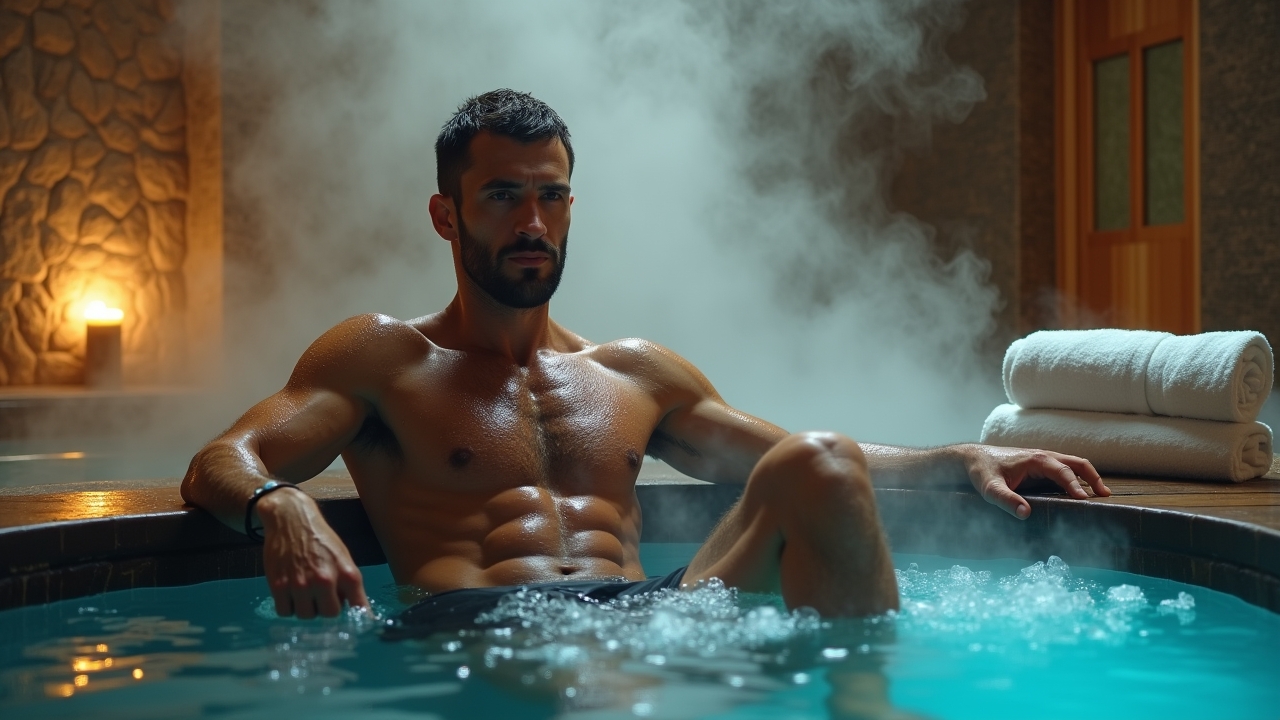
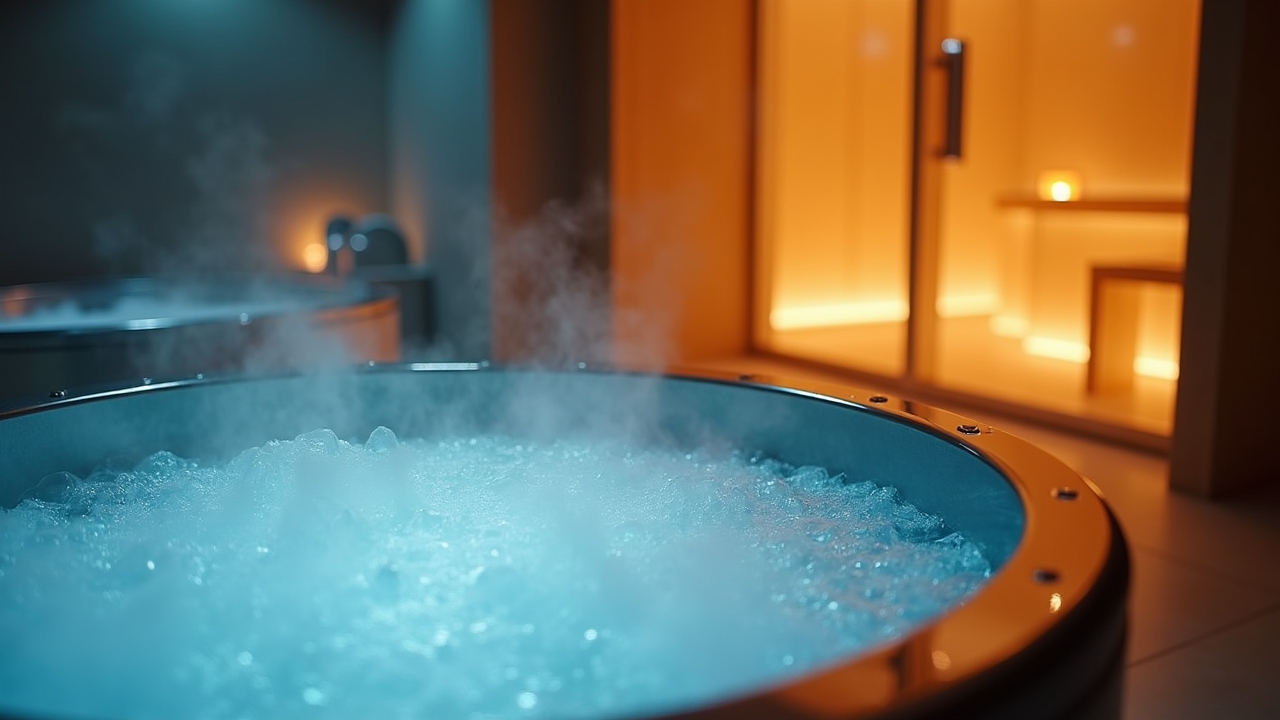
Contrast therapy — sometimes called hot-cold therapy or contrast water therapy — is the practice of alternating between hot and cold exposure. We’re talking ice baths followed by warm water immersion, or cold plunges paired with saunas. The basic idea is that switching between vasodilation and vasoconstriction creates a “pumping” effect in your blood vessels.
I first stumbled onto this about three years ago when a buddy of mine, who plays semi-pro rugby, wouldn’t shut up about his post-game routine. He’d jump in a cold plunge for a few minutes, then hit the hot tub, and repeat. I thought he was nuts. Turns out he was just ahead of the curve.
How Contrast Therapy Helps Athletic Recovery
The magic really comes down to blood flow. When you expose your body to cold water, your blood vessels constrict and push blood toward your core. Then when you switch to heat exposure, those vessels dilate and flood your muscles with oxygen-rich blood. This accelerated circulation helps flush out metabolic waste like lactic acid way faster than just sitting on the couch.
But it’s not just about sore muscles. Athletes who use contrast hydrotherapy regularly report reduced inflammation, decreased delayed onset muscle soreness (DOMS), and even improved sleep quality. I noticed the sleep thing before anything else, honestly. After my first real contrast session, I slept like I was being paid for it.
Advertisements
The Benefits I’ve Personally Noticed
- Faster recovery between training sessions — I went from needing 48 hours to feeling good in about 24
- Less joint stiffness, especially in my knees and ankles
- Better mental clarity and mood after sessions (the endorphin rush is real)
- My overall performance during high-intensity interval training improved noticeably
How to Actually Do Contrast Therapy Right
Okay so here’s where I messed up early on. I went way too extreme with the temperatures. My first attempt involved an ice bath that was probably around 35°F and a shower cranked to volcanic. Don’t do that. According to the National Strength and Conditioning Association, ideal cold water temperature sits between 50-60°F and hot water between 100-104°F.
The standard protocol that most sports science research supports looks something like this: spend 1-3 minutes in cold water, then 3-4 minutes in hot water. Repeat this cycle 3-4 times, always ending on cold. The whole session takes about 15-20 minutes, which is totally doable even on busy training days.
Common Mistakes to Avoid
I’ve made plenty of errors so you don’t have to. First, don’t try contrast therapy right before a workout — it’s a recovery tool, not a warm-up. Second, stay hydrated because the temperature swings can be surprisingly draining. And third, don’t overdo the cold exposure if you’re new to it. Build up gradually or you’ll just end up miserable and shivering in your garage questioning your life choices. Been there.
Who Should Be Careful With Contrast Therapy
Real talk — this isn’t for everyone. If you have cardiovascular issues, Raynaud’s disease, or are pregnant, you should absolutely consult with a healthcare professional before trying hot and cold immersion therapy. The rapid temperature changes put stress on your heart and circulatory system, and that’s not something to mess around with.
Your Recovery Routine Deserves an Upgrade
Look, contrast therapy for athletes isn’t some trendy wellness fad. It’s been used by professional sports teams, Olympic athletes, and physical therapists for decades. The science backs it up and my own creaky 40-year-old body backs it up too. Just remember to start slow, listen to your body, and adjust the temperatures and timing to what works for you specifically.
If you’re curious about cold exposure, ice baths, or other recovery strategies, we’ve got a ton of practical guides over on the Freeze Method blog. Go poke around — your future, less-sore self will thank you!