Advertisements
Cold Plunge Home Gym Setup: How I Built the Ultimate Recovery Station Without Losing My Mind
Here’s a stat that blew me away — roughly 80% of elite athletes now use some form of cold water immersion as part of their recovery routine. And honestly, once I started incorporating a cold plunge into my home gym, I finally understood the hype. It changed everything about how I recover, how I sleep, and even how I handle stress throughout the day!
But getting there? That was a journey full of dumb mistakes and expensive lessons. So let me walk you through what I learned so you can skip the frustration and get straight to the good stuff.
Why a Cold Plunge Belongs in Your Home Gym
Look, I used to think cold plunges were just for biohackers and Instagram influencers. I was wrong. The science behind cold water therapy is actually pretty solid — we’re talking reduced inflammation, improved circulation, and a serious boost in dopamine levels that lasts for hours.
When I paired my cold plunge with my regular weightlifting routine, my muscle soreness dropped dramatically. I’m not exaggerating. Days where I could barely walk after leg day turned into mild tightness that was gone by evening.
Having it right there in your home gym means you’ll actually use it. No driving to a fancy spa, no awkward locker room situations. Just you, ice cold water, and maybe a little screaming.
Advertisements
Choosing the Right Cold Plunge Tub for Your Space
This is where I messed up big time the first go-around. I bought a cheap inflatable ice bath from Amazon thinking I’d save money. That thing leaked within two weeks and the insulation was basically nonexistent.
For a proper home gym cold plunge setup, you’ve got a few solid options. Dedicated cold plunge tubs like the Plunge come with built-in chillers and filtration, which is incredibly convenient but pricey. Stock tanks from farm supply stores are a budget-friendly alternative that actually works really well — I used a Rubbermaid stock tank for about six months before upgrading.
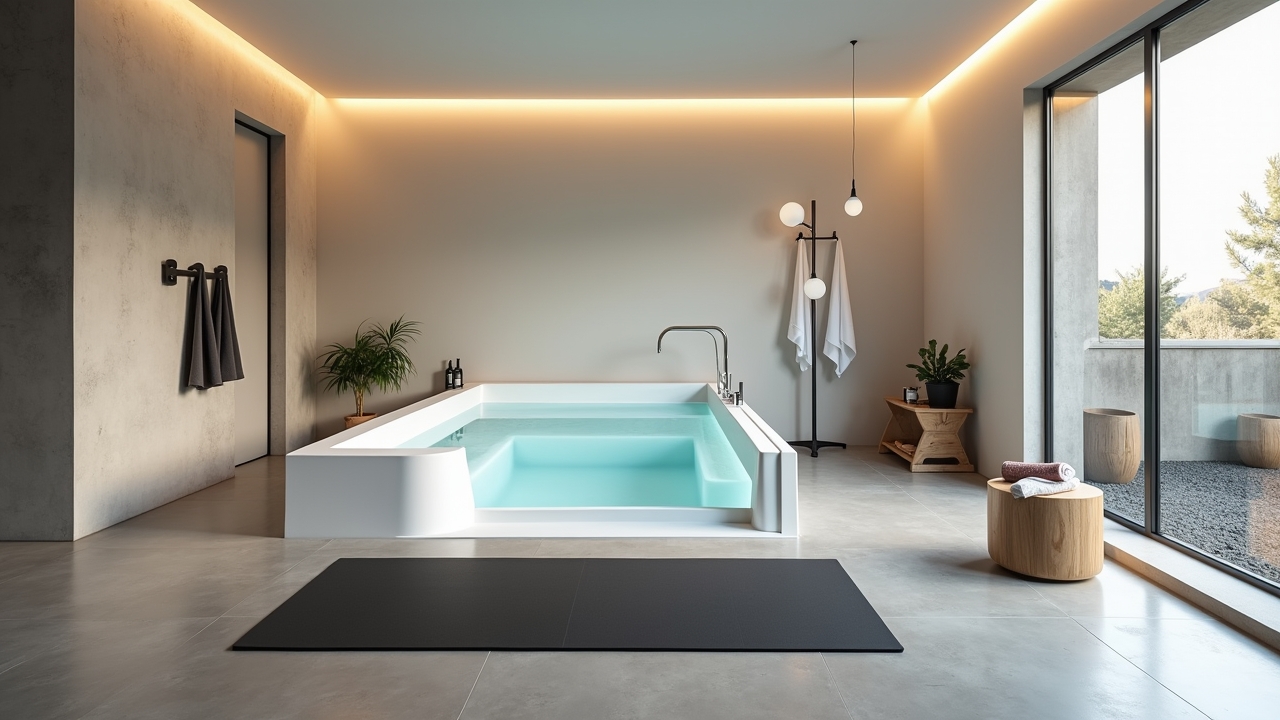
Consider your available square footage carefully. Most cold plunge tubs need roughly a 4×3 foot footprint, plus room to get in and out safely. I stuck mine in the corner of my garage gym, right next to my squat rack, and the flow just works perfectly.
The Chiller Situation: Don’t Be Like Me
So here’s my biggest regret — I spent three months dumping bags of ice into my stock tank like some kind of caveman. We’re talking $30-40 a week in ice. Do the math on that and you’ll realize a water chiller pays for itself pretty quick.
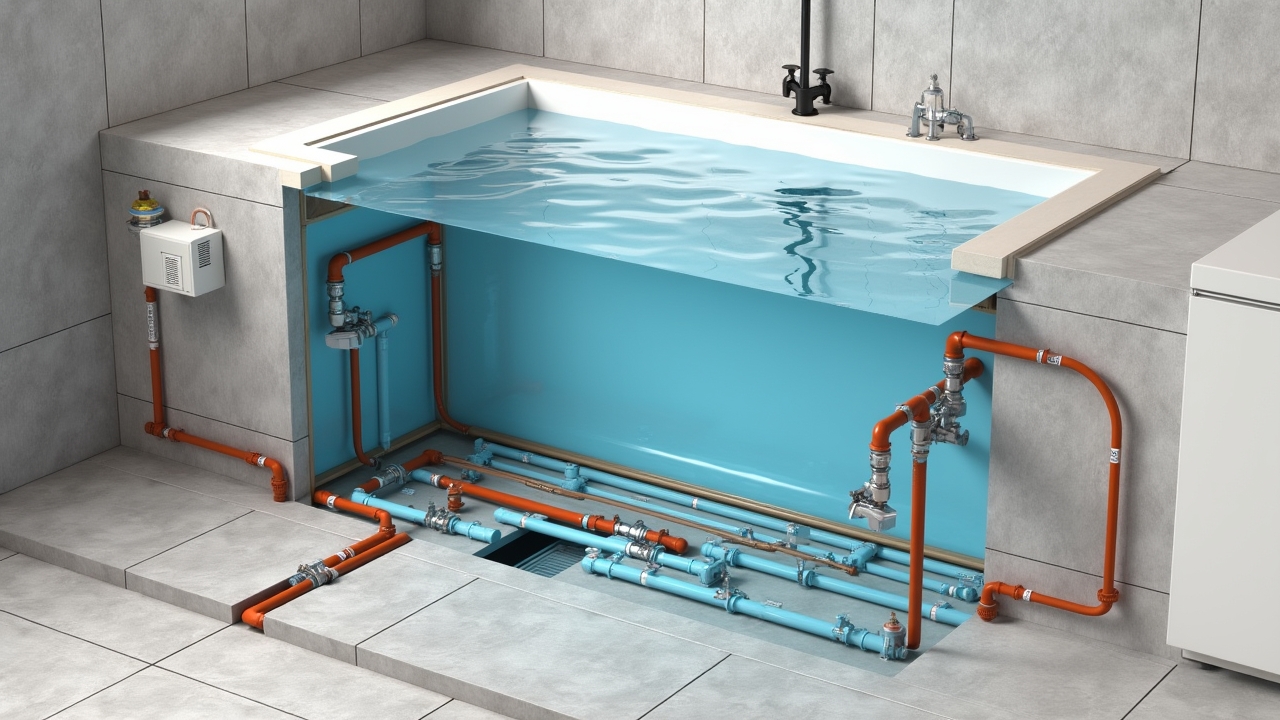
A decent chiller unit keeps your water between 37-45°F consistently without the hassle. Brands like Cold Plunge and Ice Barrel offer integrated systems, but you can also grab a standalone aquarium chiller if you’re going the DIY route. Just make sure it’s rated for the volume of water you’re cooling.
You’ll also want a basic filtration and sanitation system. Trust me, stagnant cold water gets gross fast. A small pump, a filter, and some hydrogen peroxide or ozone treatment will keep things clean between water changes.
Setting Up the Perfect Recovery Flow
Here’s where it all comes together. The ideal home gym recovery setup has a logical flow — workout area, then cold plunge, then a warm-up zone.
- Place your cold plunge near a drain if possible (splashing happens, a lot)
- Keep towels and a warm robe within arm’s reach
- Add a non-slip mat around the tub area
- Consider a small space heater nearby for warming up after your plunge
- Use a timer — 2-5 minutes is plenty for most people starting out
I also mounted a cheap waterproof thermometer on the side of my tub so I always know exactly what temperature I’m getting into. No surprises that way.
Take the Plunge — But Do It Smart
Building a cold plunge home gym setup was honestly one of the best investments I’ve made for my health and recovery. But please, start slow. Two minutes at 55°F is perfectly fine when you’re beginning — there’s no trophy for hypothermia.
Customize this whole setup to fit your space, your budget, and your goals. And if you’ve got a heart condition or any medical concerns, definitely chat with your doctor first. For more tips on cold water therapy, recovery protocols, and everything in between, check out the Freeze Method blog — we’ve got tons of guides to help you dial in your routine.