Advertisements
Cold Exposure and Sleep Quality: How Freezing My Way to Better Rest Actually Worked
Here’s a stat that honestly blew my mind — roughly 70 million Americans suffer from chronic sleep problems. I was one of them. For years, I’d toss and turn, stare at the ceiling, and then drag myself through the next day like a zombie. Then I stumbled onto cold exposure, and everything changed.
Look, I’m not gonna pretend I jumped into an ice bath one day and suddenly slept like a baby. It was messy, uncomfortable, and honestly a little scary at first. But the connection between cold exposure and sleep quality is something I wish I’d explored way sooner.
Why Does Cold Exposure Even Affect Sleep?
So here’s the deal. Your body has this internal thermostat called your circadian rhythm, and it’s tightly linked to your core body temperature. When your body temp drops in the evening, it signals your brain that it’s time to wind down and produce melatonin.
Cold exposure basically hacks this process. Whether it’s a cold shower, cold water immersion, or even just stepping outside in chilly weather, you’re giving your body a temperature signal that can kickstart that natural cooling process. I remember reading about this and thinking it sounded too simple to actually work.
But the science backs it up. Studies have shown that a drop in core body temperature of even 1-2 degrees can significantly improve sleep onset and deep sleep duration. Your body works hard to warm itself back up after cold exposure, and that rebound effect creates a natural drowsiness that’s honestly better than any supplement I’ve tried.
Advertisements
My Clumsy Start with Cold Showers Before Bed
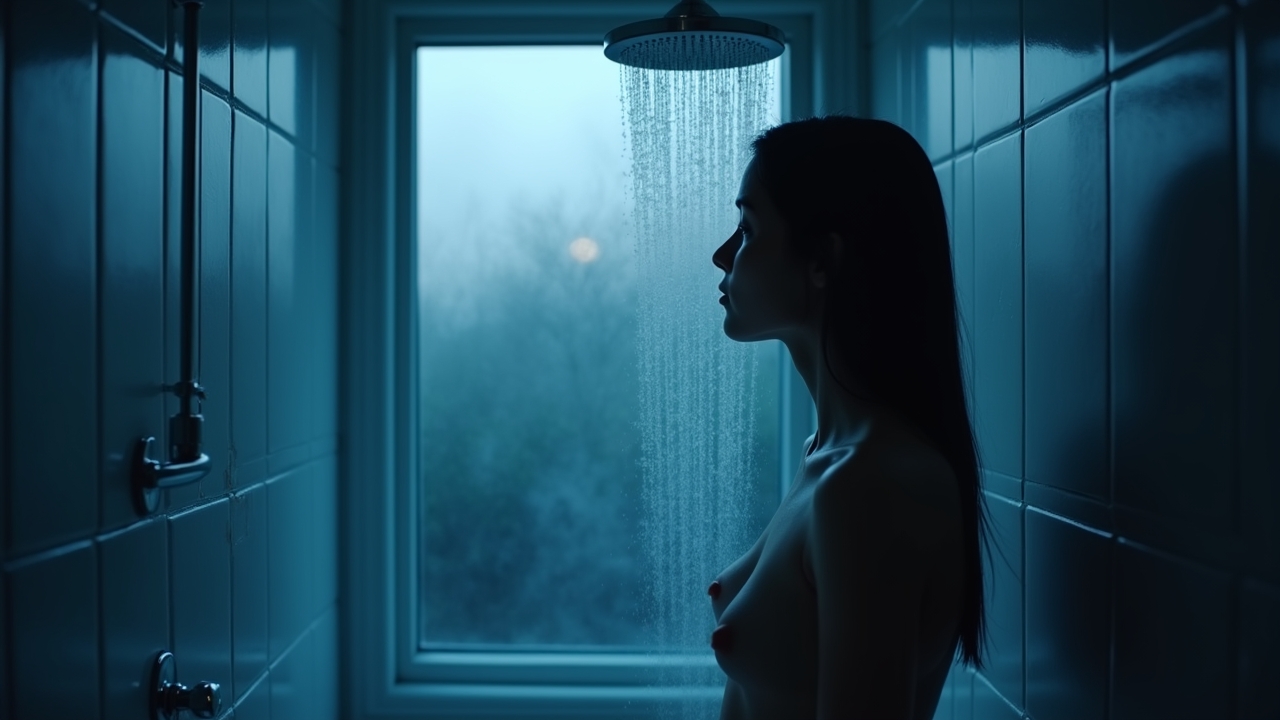
I’ll be real — my first attempt was a disaster. I took a freezing cold shower about 10 minutes before bed, and I was so wired and shivering that I couldn’t fall asleep for hours. Turns out, timing matters a LOT.
After some trial and error (and a lot of grumpy mornings), I figured out that taking a cold shower about 1-2 hours before bed was the sweet spot. This gives your body enough time to go through that warming rebound, so by the time you hit the pillow, your core temperature is dropping naturally. Game changer, honestly.
I also learned to start gradual. Instead of blasting myself with ice-cold water, I’d end my regular warm shower with 30 seconds of cold. Then a minute. Then two. My body adapted over a few weeks, and the sleep improvements started showing up pretty quick.
What the Research Actually Says
A meta-analysis published in Sleep Medicine Reviews found that water-based body cooling before bed was associated with improved sleep quality. Participants fell asleep faster and experienced more slow-wave sleep, which is the really restorative deep sleep your body craves.
There’s also some fascinating research on cold exposure and the nervous system. Cold water activates your parasympathetic nervous system after the initial shock wears off, putting you into a more relaxed state. It’s like your body goes through this intense stress response and then swings hard into recovery mode.
That parasympathetic activation is what makes cold therapy so effective for stress relief and anxiety reduction too — both of which are massive contributors to poor sleep.
Practical Tips That Actually Helped Me Sleep Better
- Time it right: Do your cold exposure 1-2 hours before bedtime, not right before you climb into bed.
- Start small: Even 30 seconds of cold water at the end of a shower can make a difference. You don’t need an ice bath.
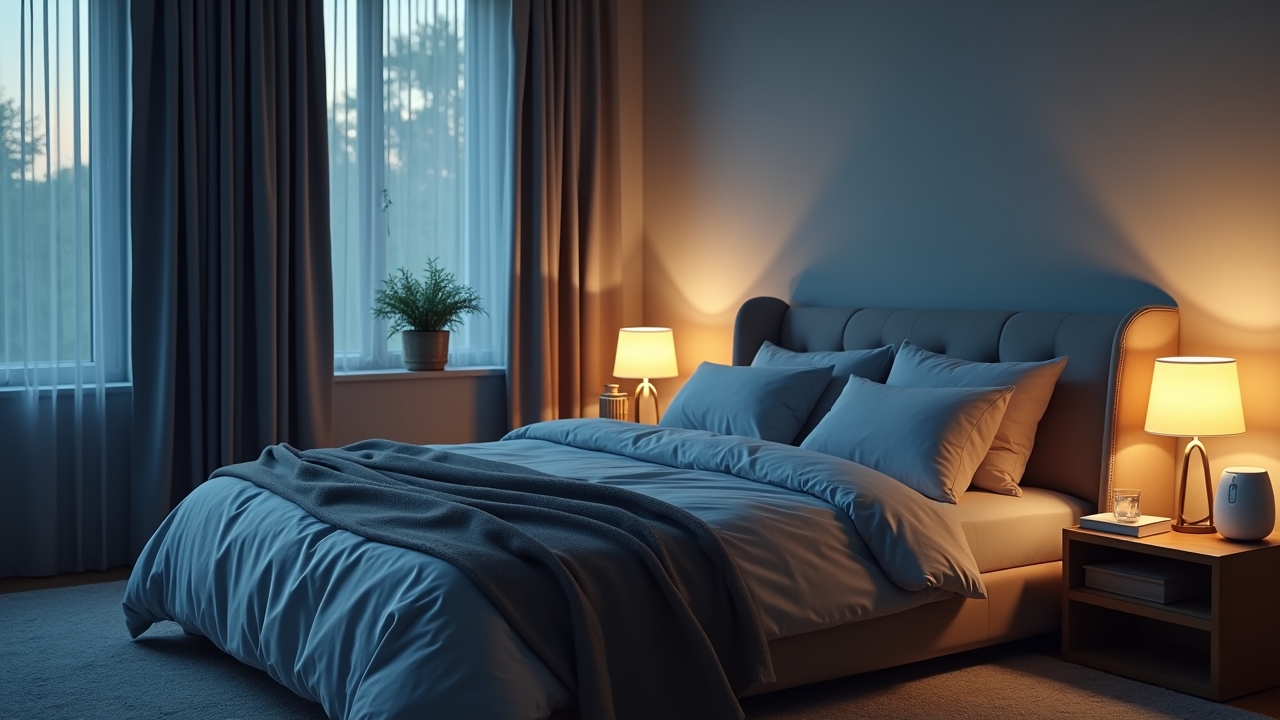
- Keep your bedroom cool: I dropped my thermostat to around 65°F and paired it with cold showers. The combo was been incredible.
- Be consistent: Like most things, cold exposure works best as a habit. I noticed real changes after about two weeks of daily practice.
- Track your sleep: I used a basic sleep tracker to see actual improvements in deep sleep and REM cycles. Data don’t lie.
The Bigger Picture on Getting Better Rest
Cold exposure isn’t a magic bullet — nothing is. But combined with good sleep hygiene, it’s become one of my most reliable tools for falling asleep faster and waking up feeling actually rested. Just please be smart about it, especially if you have cardiovascular issues or other health concerns. Always check with your doctor before starting any cold therapy routine.
Everyone’s body responds differently, so experiment with timing, duration, and temperature to find what works for you. If you’re curious about diving deeper into cold exposure techniques and how they affect your health, check out more posts on the Freeze Method blog — there’s a ton of practical stuff there that might help you on your journey.