Advertisements
Cold Therapy Soccer Recovery: What I Wish I Knew Before My First Ice Bath
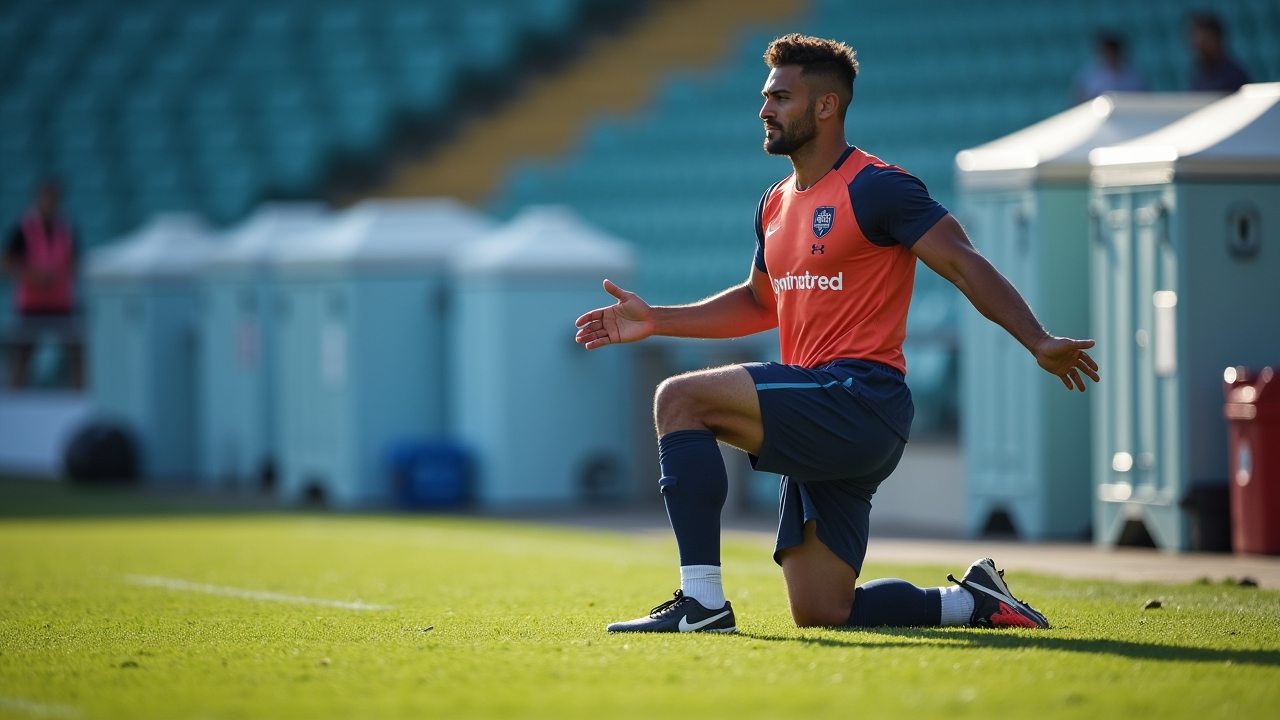
Here’s a stat that blew my mind — elite soccer players can cover up to 13 kilometers in a single match. That’s roughly 8 miles of sprinting, cutting, and decelerating on legs that are absolutely screaming by the final whistle. So when I first got serious about recovery, cold therapy for soccer recovery wasn’t just a nice-to-have — it became my secret weapon!
I remember the first time I tried it, though. Let me tell you, it was not glamorous. But we’ll get to that disaster in a minute.
Why Soccer Players Need Cold Therapy More Than Most Athletes
Soccer is brutal on the body in ways people don’t really appreciate. The constant change of direction, the tackles, the eccentric muscle contractions when you’re decelerating — all of it creates micro-tears and inflammation in your muscles. Your quads, hamstrings, and calves take an absolute beating.
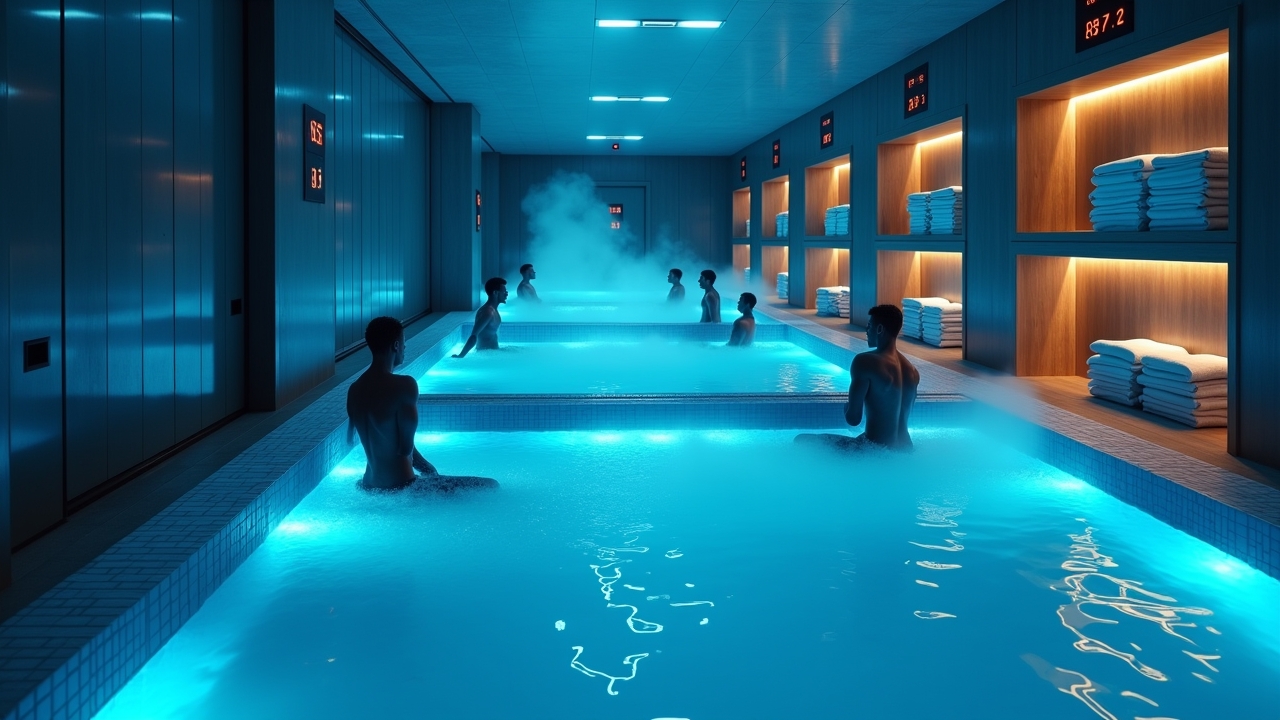
Cold water immersion works by constricting blood vessels and reducing metabolic activity, which helps decrease swelling and tissue breakdown. When you warm back up, fresh blood rushes in and flushes out metabolic waste products like lactate. It’s basically giving your legs a hard reset, and honestly, the science behind cryotherapy and athletic recovery backs this up pretty convincingly.
My First Ice Bath Was a Complete Trainwreck
So picture this — I’m 28, playing in a competitive adult league, and my legs are absolutely cooked after a Sunday doubleheader. A teammate told me to just fill the bathtub with cold water and dump a bag of ice in it. Easy enough, right?
Advertisements
Wrong. I dumped like 20 pounds of ice into a shallow bath, didn’t check the temperature, and jumped in wearing nothing but shorts. The water was probably around 35°F, which is way too cold. I lasted maybe 45 seconds before I scrambled out gasping like a fish on a dock.
The mistake was not knowing the ideal temperature range. For effective post-match recovery, you want water between 50-59°F (10-15°C). That’s cold enough to trigger the anti-inflammatory response but not so cold that your body goes into shock. Lesson learned the hard way.
How to Actually Do Cold Therapy Right for Soccer Recovery
After that embarrassing first attempt, I did my homework and developed a routine that actually works. Here’s what I’d recommend based on years of trial and error:
- Timing matters: Try to get into cold water within 30 minutes after your match or training session. The sooner you reduce inflammation, the better your muscle repair will be.
- Temperature sweet spot: Keep it between 50-59°F. Use a cheap thermometer — don’t just guess like I did.
- Duration: Aim for 10-15 minutes. Longer isn’t necessarily better, and some research suggests that overdoing it can actually hinder muscle adaptation.
- Depth: Submerge up to your waist at minimum. For soccer players, you really want those hip flexors and glutes covered too.
- Breathing: Slow, controlled breaths. In through the nose, out through the mouth. This was a game-changer for me.
When Cold Therapy Might Not Be the Move
Here’s something that took me a while to figure out — you shouldn’t use ice baths after every single training session. If you’re in a strength-building phase or trying to build muscle, cold immersion can actually blunt some of those hypertrophy gains. The inflammation you’re trying to reduce is sometimes part of the adaptation process.
I typically save cold therapy for after matches and intense sessions during the competitive season. During preseason when I’m trying to build fitness, I’ll skip it and just do active recovery or foam rolling instead. It’s all about context, and honestly, that nuance gets lost in a lot of the hype around ice baths.
The Chill That Keeps You in the Game
Cold therapy for soccer recovery has genuinely kept me playing at a level I wouldn’t have maintained otherwise. My legs bounce back faster, the delayed onset muscle soreness is way more manageable, and I just feel fresher going into midweek training. But remember — everyone’s body is different, so experiment with temperatures and durations to find what works for you.
And please, don’t do what I did and cannonball into near-freezing water. Be smart about it. If you want more recovery tips and deep dives into cold therapy methods, check out the Freeze Method blog — there’s a ton of practical stuff over there that’s been was super helpful for me.