Advertisements
Cold Plunge Athletic Performance: How Ice Baths Changed My Training (And Nearly Made Me Quit)
Here’s a stat that honestly blew my mind — a 2024 meta-analysis found that cold water immersion can reduce perceived muscle soreness by up to 20% compared to passive recovery. Twenty percent! As someone who spent years hobbling around after leg day like a newborn deer, that number got my attention real fast.
The connection between cold plunge and athletic performance isn’t just some trendy biohacker nonsense. It’s becoming a legit cornerstone of recovery protocols for everyone from weekend warriors to Olympic athletes. And I’ve got some thoughts — and a few embarrassing stories — to share about my own journey with it.
My First Cold Plunge Was a Disaster
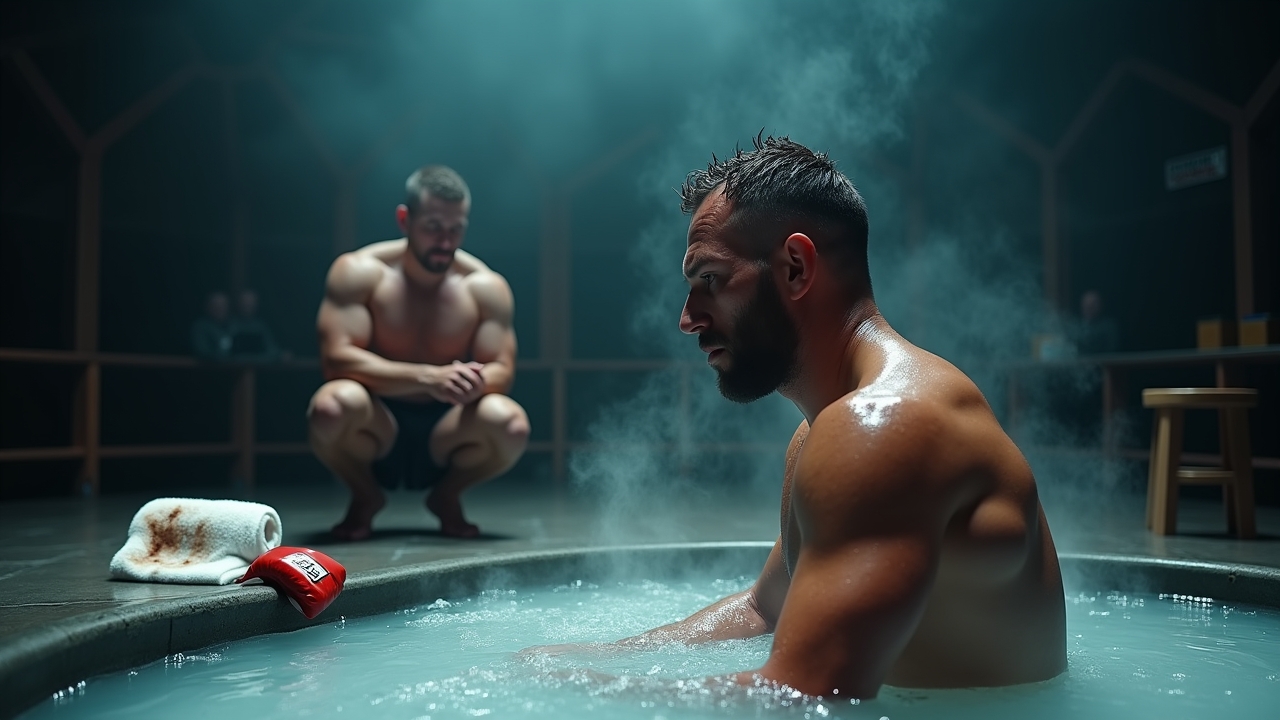
Let me paint the picture. About three years ago, I watched some podcast where a guy talked about ice baths like they were the fountain of youth. So naturally, I filled my bathtub with cold water, dumped two bags of gas station ice in there, and jumped in wearing basketball shorts.
I lasted maybe 45 seconds. My breathing went completely haywire, I panicked, and I knocked over a candle climbing out. Water everywhere, wax on the floor, ego shattered.
The thing nobody told me was that you gotta ease into cold water therapy. Your body needs time to adapt to that kind of thermal stress. Starting at maybe 60°F and working your way down to the 38-50°F range over weeks is way smarter than what I did.
Advertisements
What Cold Water Immersion Actually Does for Athletes
So here’s where it gets interesting from a science perspective. When you submerge yourself in cold water, your blood vessels constrict — that’s called vasoconstriction. This helps flush out metabolic waste products like lactate that build up during intense exercise.
Then when you get out, blood flow rushes back to your muscles. This increased circulation delivers fresh oxygen and nutrients that speed up the repair process. It’s basically like hitting a reset button on your tired, beat-up muscles.
Research from the American College of Sports Medicine has shown that cold exposure can also reduce inflammatory markers after training. For athletes dealing with delayed onset muscle soreness (DOMS), this is honestly a game-changer. I noticed the difference personally after about two weeks of consistent plunging.
The Protocol That Actually Worked for Me
After my bathtub fiasco, I got more methodical about it. Here’s what I settled on after a lot of trial and error:
- Water temperature between 45-55°F (I use a simple pool thermometer)
- Duration of 2-5 minutes, never more than that
- Timing it within 30 minutes after hard training sessions
- Focusing on controlled breathing — in through the nose, slow exhale out the mouth
- 3-4 sessions per week, not every single day
One thing I learned the hard way is that you shouldn’t cold plunge immediately after strength training if your goal is hypertrophy. Some studies suggest that cold exposure right after resistance training might blunt muscle protein synthesis. So on heavy lifting days, I wait a few hours or skip the plunge entirely and save it for cardio or sport-specific training days.
Beyond Recovery: Mental Toughness and Sleep
Nobody talks enough about the mental side. That moment when you’re standing over freezing cold water and your brain is screaming “absolutely not” — overriding that impulse builds something in you. It’s hard to describe, but it carries over into competition and hard workouts.
My sleep improved too, which was unexpected. Cold exposure triggers a norepinephrine release that, paradoxically, helps regulate your nervous system later in the day. I started sleeping deeper on plunge days, and better sleep means better recovery means better athletic performance. It’s a virtuous cycle.
The Ice-Cold Truth About Getting Started
Look, cold plunging isn’t magic and it’s not for everyone. If you have cardiovascular issues or Raynaud’s disease, please talk to your doctor first — this is not something to mess around with. And honestly, consistency matters way more than intensity here.
Start slow. Be patient with yourself. Track how your body responds after workouts and adjust your protocol accordingly. What works for a CrossFit athlete might not work for a marathon runner.
If you’re curious about diving deeper into cold therapy, recovery strategies, and all things related to optimizing your freeze game, head over to the Freeze Method blog — we’ve got tons of practical guides to help you get started the right way. No bathtub disasters required.