Advertisements
Cold Water Swimming for Beginners: Everything I Wish Someone Had Told Me Before My First Dip
Here’s a wild stat for you — cold water swimming has seen a massive surge in popularity over the last few years, with some estimates suggesting participation has doubled since 2020. And honestly? I get it. I stumbled into this whole thing almost by accident about three years ago, and it’s genuinely changed how I handle stress, sleep, and even my mood throughout the day!
But let me tell you, my first time was an absolute disaster. I’m talking zero preparation, no research, just vibes and regret. So if you’re a beginner curious about cold water swimming, pull up a chair because I’m going to share everything I learned the hard way.
Why Cold Water Swimming Is Worth the Initial Shock
Look, I’m not gonna sugarcoat it — the first few seconds in cold water feel like your body is staging a full revolt. Your skin screams, your lungs gasp, and your brain goes “what are we DOING?” But here’s the thing. Once you get past that initial cold water shock response, something magical happens.
Your body releases a flood of endorphins and dopamine. It’s like a natural high that sticks with you for hours. Studies from places like the British Medical Journal have even linked regular cold water immersion to improvements in depression and anxiety symptoms.
Personally, I noticed better sleep within the first two weeks. My recovery after workouts improved too, which was a nice bonus I wasn’t expecting.
Advertisements
How to Actually Start (Without Making My Mistakes)
My biggest mistake? Jumping into a 48°F lake in November with nothing but swim trunks and misplaced confidence. Don’t be like me. Here’s what you should actually do instead.
- Start with cold showers at home. Seriously, spend a week or two ending your showers with 30-60 seconds of cold water. It trains your body’s response to the cold and builds that mental toughness gradually.
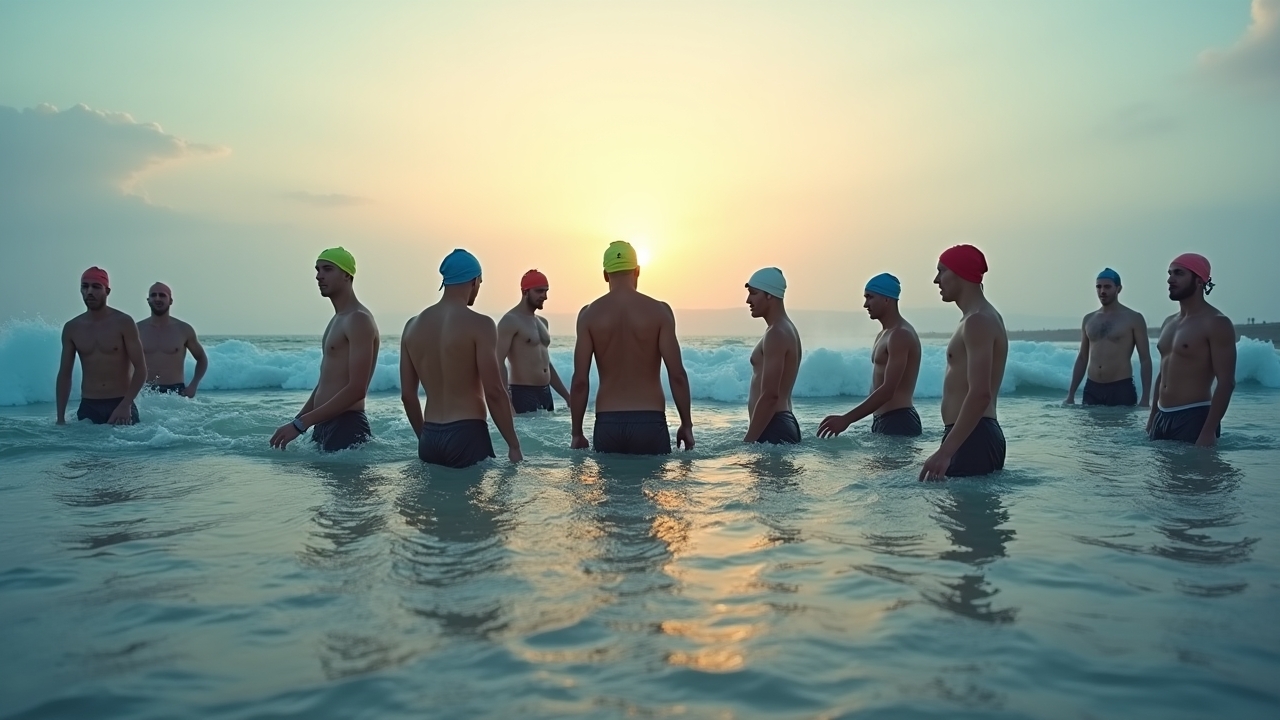
- Go with a buddy. This isn’t just for motivation — it’s a genuine safety concern. Cold water shock can cause hyperventilation and, in rare cases, cardiac issues. Never swim alone as a beginner.
- Invest in a good wetsuit or neoprene accessories. A thermal swim cap, gloves, and booties make a world of difference when you’re starting out. Your extremities lose heat the fastest.
- Check the water temperature beforehand. Anything between 50-60°F is a reasonable starting point. Below 50°F and you’re getting into territory that demands more experience.
- Keep your first sessions short. I’m talking 2-5 minutes max. There’s no trophy for staying in longer, and hypothermia doesn’t care about your ego.
The Breathing Technique That Changed Everything for Me
Nobody told me about controlled breathing before my first swim, and it showed. I was gasping and panicking like a fish out of water — except I was very much IN the water. The trick that was eventually taught to me is stupidly simple.
Before you enter, take slow deep breaths. In through the nose for four counts, out through the mouth for six. When you step into the cold water, focus entirely on exhaling slowly. The Wim Hof breathing method is a great resource if you want to go deeper into breathwork for cold exposure.
That controlled exhale is what stops the gasp reflex from taking over. It took me maybe three sessions to get comfortable with it, and honestly, it was the single biggest game-changer in my cold water swimming journey.
Warming Up After — This Part Gets Overlooked
Here’s something that tripped me up badly. Your body temperature actually continues to drop AFTER you get out of the water. It’s called “afterdrop,” and it caught me completely off guard my first time. I was shivering uncontrollably in a parking lot wondering if I’d made a terrible life decision.
Have warm dry clothes ready immediately. A hat is essential since you lose so much heat through your head. Bring a hot drink in a thermos — not alcohol, that actually makes things worse. And move around gently to get your circulation going again.
Your Turn to Take the Plunge
Cold water swimming for beginners doesn’t have to be intimidating or dangerous. Start slow, respect the water, bring a friend, and listen to your body above all else. Everyone’s tolerance is different, so customize your approach based on how you feel — not what some tough guy on Instagram is doing.
If this sparked your curiosity, head over to the Freeze Method blog where we dive deeper into cold exposure techniques, recovery tips, and everything in between. Your cold water journey starts with one step — just make sure you’re prepared for it!