Advertisements
The Sauna and Cold Plunge Protocol That Actually Changed How I Recover
Here’s a wild stat that got me hooked — a Finnish study found that people who used a sauna 4-7 times per week had a 40% lower risk of all-cause mortality. Forty percent! When I first read that, I was already dabbling with cold plunges, but I hadn’t really nailed down a proper sauna and cold plunge protocol. Now, after about two years of experimenting — and making plenty of dumb mistakes along the way — I’ve landed on a routine that genuinely works for my body and recovery.
Why Combine Heat and Cold in the First Place?
So the basic idea behind contrast therapy is pretty straightforward. You expose your body to extreme heat, then shock it with cold water, and the rapid shift triggers a cascade of physiological responses. We’re talking improved circulation, reduced inflammation, and a massive spike in norepinephrine that can last for hours.
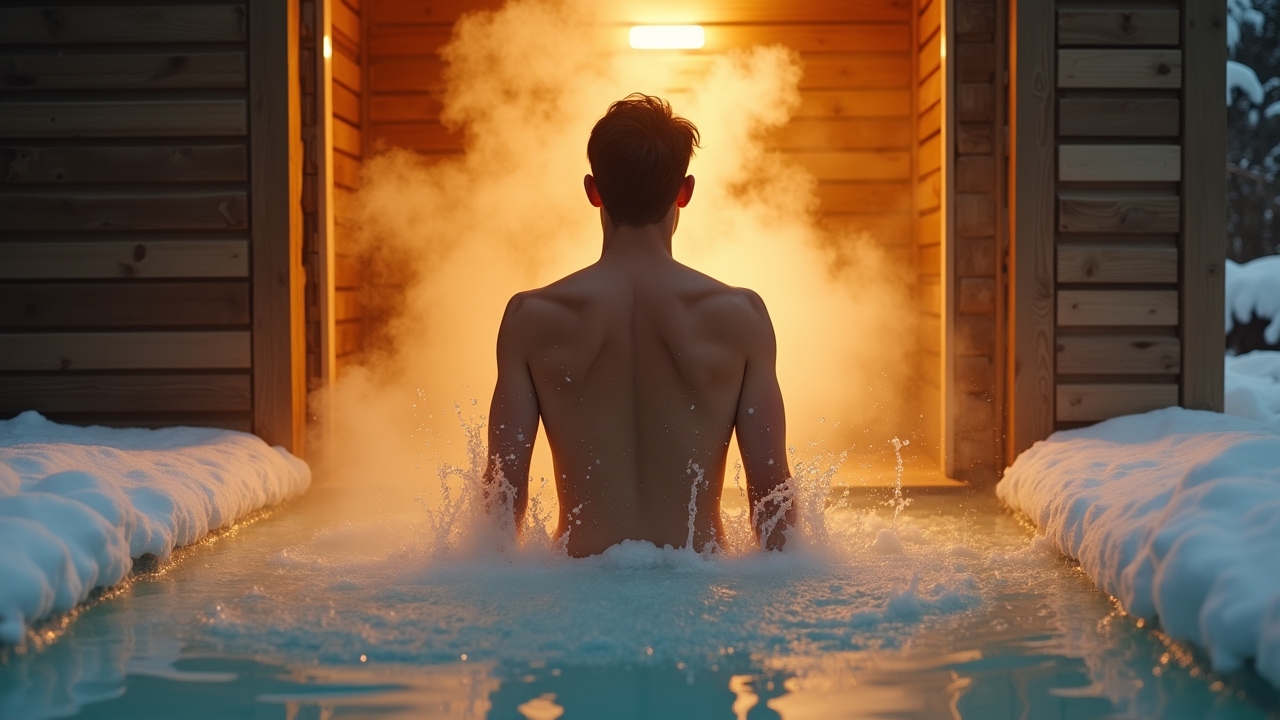
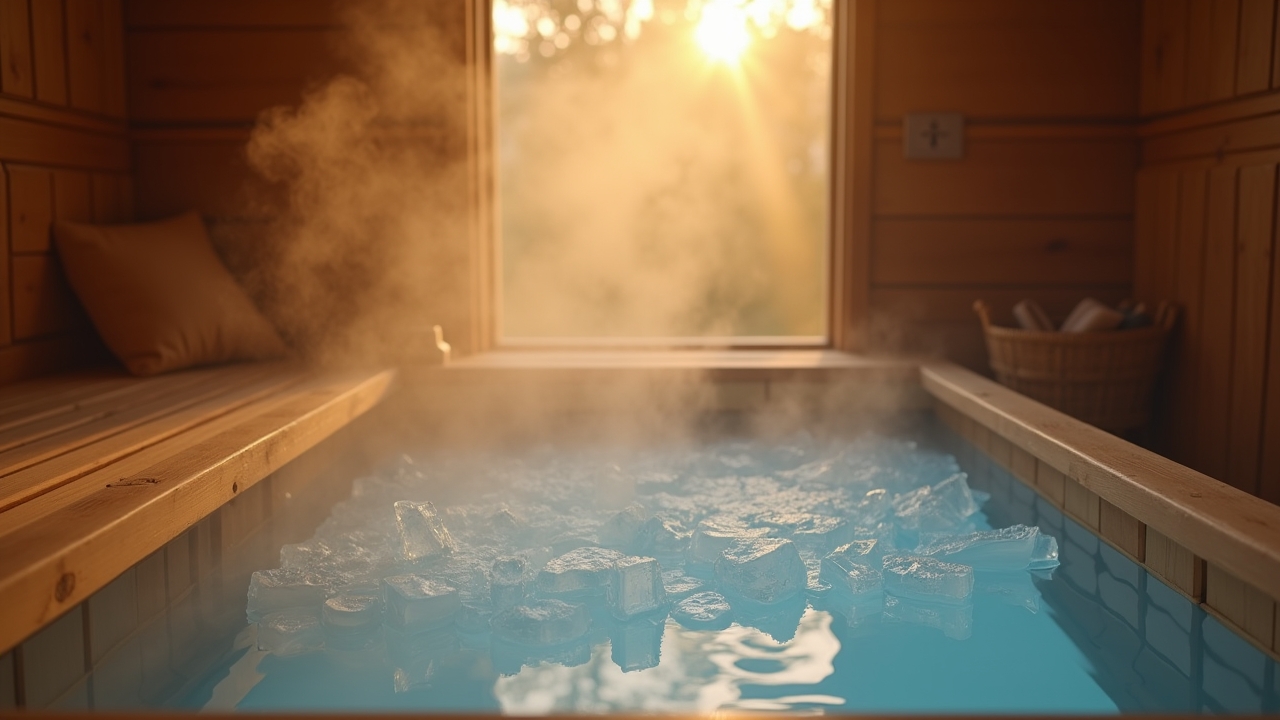
I’ll be honest, the first time I tried going from a 190°F sauna straight into a 39°F cold plunge, I thought my chest was gonna explode. It was not graceful. But that uncomfortable feeling? That’s basically your blood vessels doing calisthenics, and over time it gets easier — and even kind of addictive.
My Go-To Sauna and Cold Plunge Protocol
Alright, here’s the protocol I’ve settled on after way too much trial and error. It’s nothing revolutionary, but consistency is what makes it work.
- Sauna round 1: 15-20 minutes at 170-200°F. I just sit there, breathe, and try not to check my phone.
- Cold plunge 1: 2-3 minutes at 38-45°F. Focus on slow, controlled breathing through the nose.
- Rest: 5-10 minutes at room temperature. Let your body recalibrate.
- Sauna round 2: 10-15 minutes. This round always feels deeper somehow.
- Cold plunge 2: 2-4 minutes. You’ll notice it’s easier the second time around.
- Final rest: 10+ minutes of just chilling. No pun intended.
The whole session takes about an hour. I do this 3-4 times a week, usually after a workout or on rest days when my muscles are screaming at me.
Advertisements
Mistakes I Made So You Don’t Have To
Oh man, where do I start. My biggest screw-up was doing cold plunges right after strength training during my first month. I thought I was being hardcore. Turns out, cold exposure immediately after resistance training can actually blunt muscle growth by reducing the inflammatory response your muscles need to rebuild. Lesson learned the hard way.
Another mistake? Not hydrating enough. You’re sweating buckets in the sauna and then your body is working overtime to thermoregulate in the cold water. I once got so lightheaded after a session that I had to sit on the locker room floor for ten minutes. Embarrassing. Now I drink at least 16-20 ounces of water before I even start, and I keep electrolytes nearby.
Also — and this is a dumb one — I used to skip the rest periods between rounds because I was “short on time.” The rest period is where the magic actually happens. Your body needs those minutes to normalize before you hit it with another extreme. Don’t skip them.
Who Should Be Careful
This stuff isn’t for everyone, and I feel like that needs to be said more often. If you have cardiovascular issues, are pregnant, or have blood pressure problems, please talk to your doctor before jumping into any heat and cold exposure routine. The thermal stress is real, and it puts genuine demand on your heart.
Even if you’re healthy, start slow. There’s no trophy for staying in a 38-degree plunge for five minutes on your first try. Build up gradually — your body will thank you.
Your Turn to Find What Works
Look, the protocol I shared is what works for me, but your body is different. Maybe you need shorter sauna sessions or slightly warmer water to start. The important thing is to listen to your body, stay hydrated, and be consistent. Tweak the times, adjust the temperatures, and figure out your own rhythm.
If you’re curious about diving deeper into cold therapy, recovery methods, or just want to geek out on this stuff with me, head over to the Freeze Method blog — there’s a ton of practical guides waiting for you there. Stay safe and keep experimenting!